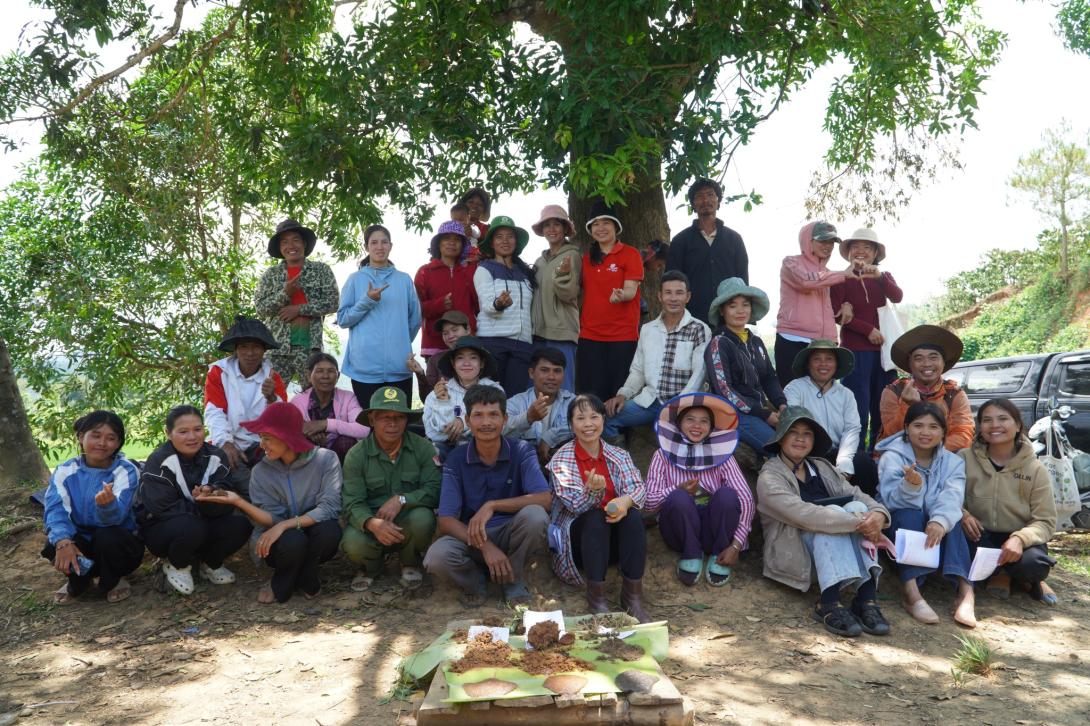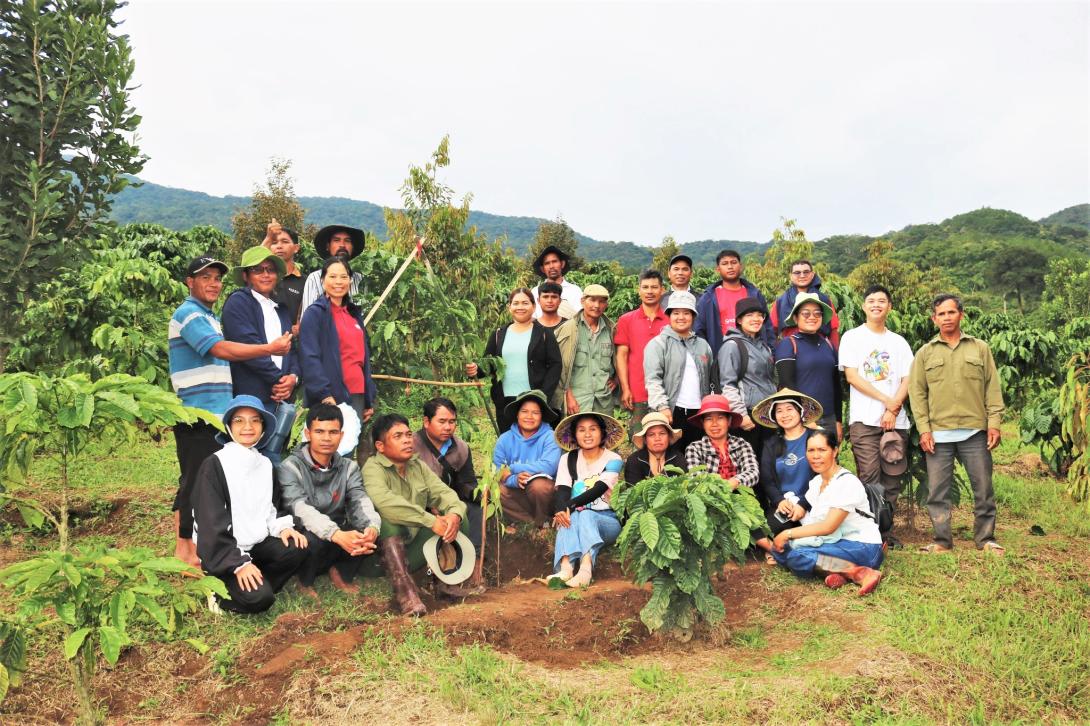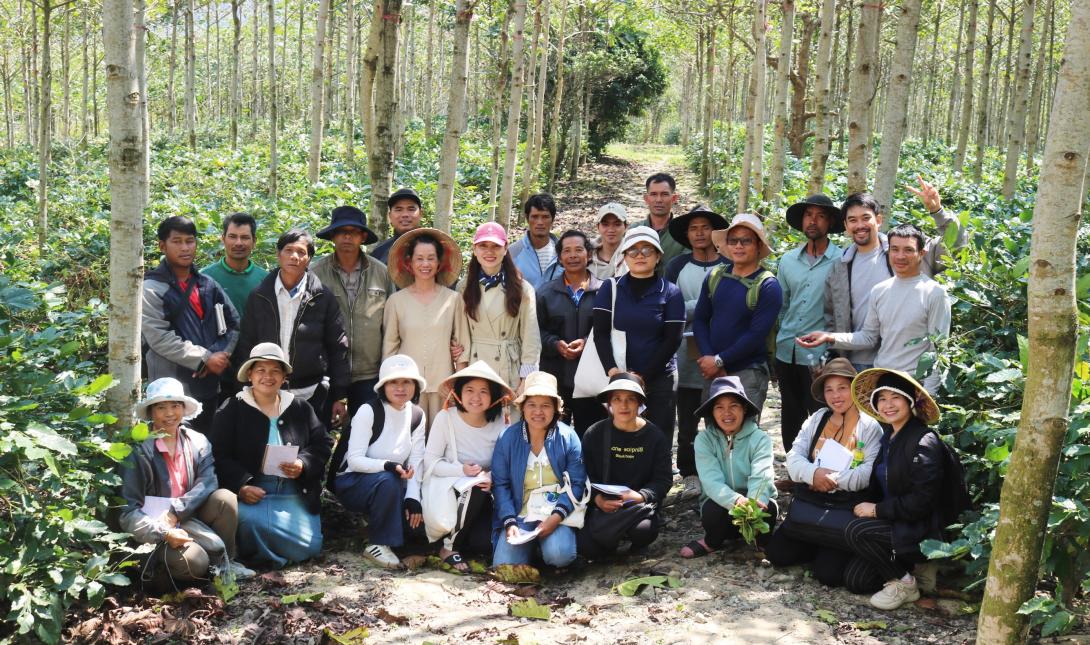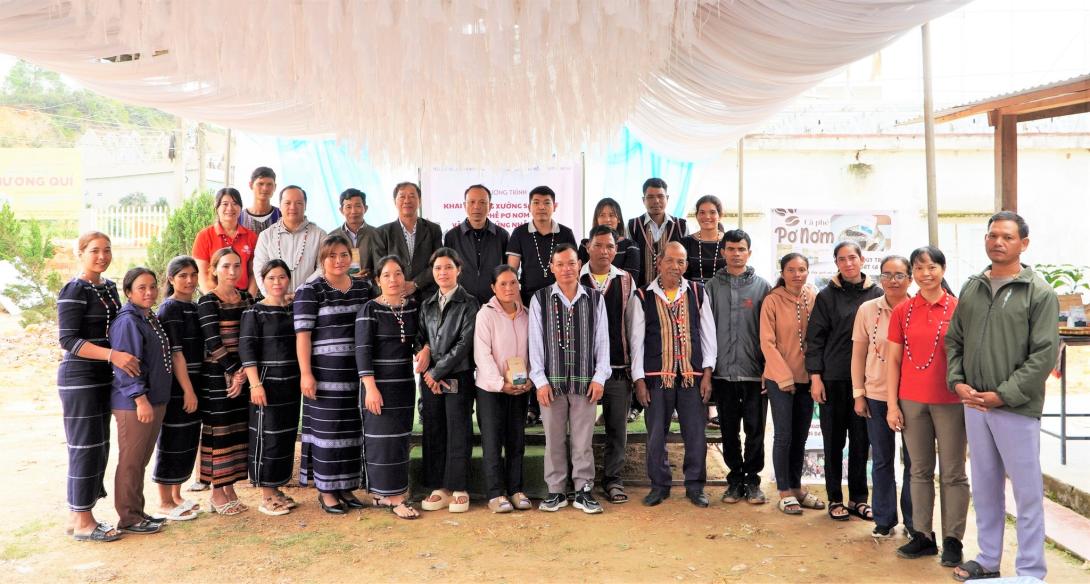
CFGS (Caritas’ Farmers Guarantee System): A participatory guarantee system of the Caritas Dalat farmers' network
CFGS is a local system focused on quality assurance.
Producers are certified based on the active participation of stakeholders. The system is built on trust, social networks, and knowledge exchange.
CHARACTERISTICS OF CFGS
- Provides a reliable (practical) guarantee
- Low cost, highly suitable for smallholder farmers
- Peer monitoring instead of professional third-party certification (decentralized and participatory)
- Social control as a compliance verification mechanism (transparency)
- Farmers are organized and connected into a network
- Opportunities for capacity building and participation in a continuous, shared learning process
- Minimizes paperwork to the lowest level
CORE ELEMENTS
Image
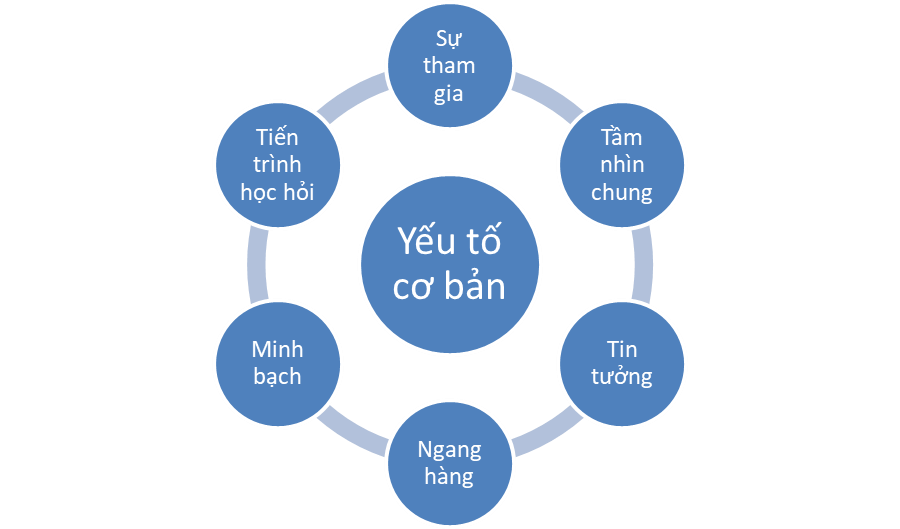
Participation
- Key stakeholders (producers, consumers, retailers, traders, and others such as NGOs) participate in the initial design.
- In the operation of CFGS, stakeholders (including producers) participate in making essential decisions regarding CFGS operations.
- Integrating producers and consumers: builds credibility for CFGS and expands market opportunities.
- Consumers can share in the management of CFGS, provide expertise in CFGS administration, and also play a supportive role in the peer review process (internal inspection).
- Through participation, consumers recognize the value of organic food and gladly pay a fair price for the products.
Shared Vision
- The vision can target organic production or goals related to standards, social justice, fair trade, respect for the ecosystem, local community autonomy, cultural diversity, etc.
- “Everyone has the right to know what they are eating... we rarely do it alone, but together, in cooperation, we can build something stronger and larger” - ECOVIDA
- Each stakeholder organization can adopt the shared vision as part of their own organization.
- By producing organic products and by consuming organic products.
- The vision can be connected to consumers through public labeling at points of sale.
Transparency:
- The system has clear operating mechanisms and documentation.
- Public access to PGS documents and information:
- List of certified producers
- Details of their farms and non-compliance actions.
- Sharing information at meetings and workshops
- Participating in internal inspections (peer reviews)
- Participating in decision-making.
Trust
- Producer commitment
- Group commitment (written and verbal)
- In PGS, farmers, consumers, traders, technicians, etc., have the capacity to perform their work responsibly and reliably.
Horizontality
- Sharing and rotating responsibilities among members;
- Producers directly participate in peer reviews of other fields (cross-inspection).
- Transparency in the decision-making process.
Learning Process
- Among the stakeholders in the system, producers—who are smallholder farmers—also participate in a structured, continuous learning process that helps them deepen their knowledge and improve their practices. This process is often facilitated by Caritas Dalat.
- Farmers participate in training workshops, field trips, and hands-on practice, encouraged by group members.
- Farmers are also connected with various partners, customers, groups, organizations, and relevant individuals. These connections enrich and expand their learning capacities and opportunities.
File
WHAT IS CFGS.pdf
(111.72 KB)
|