
FROM THE CRY OF THE LAND TO THE DESIRE FOR REVIVAL: A FARMER'S JOURNEY OF SELF-AWARENESS AND SELF-RELATED STEPS
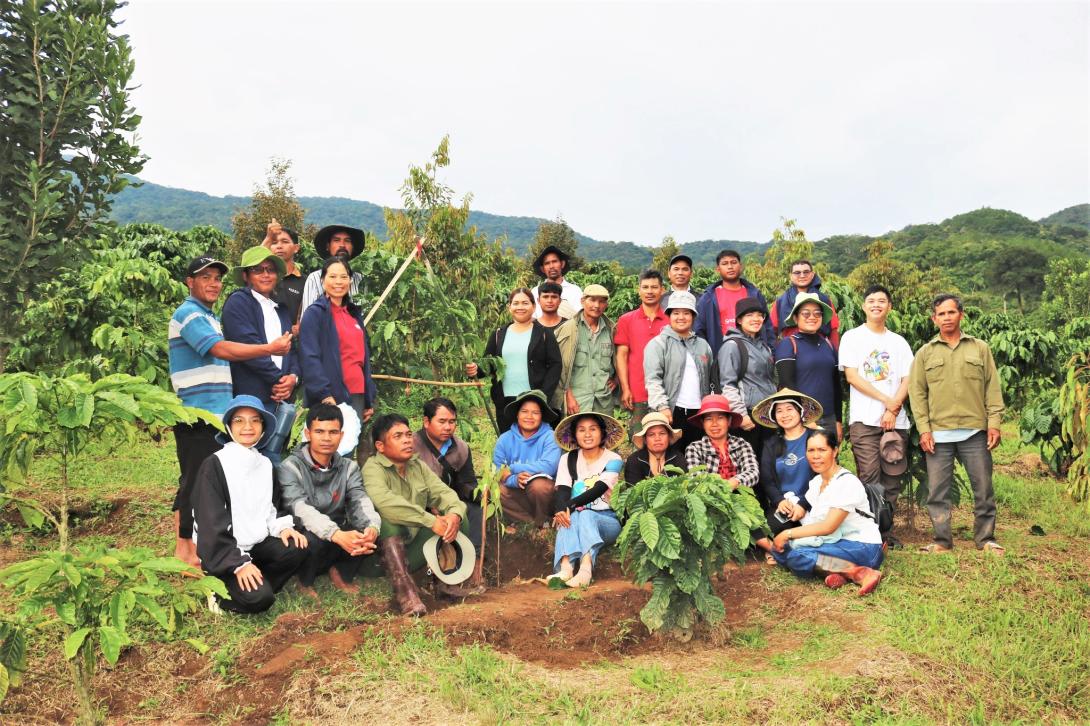
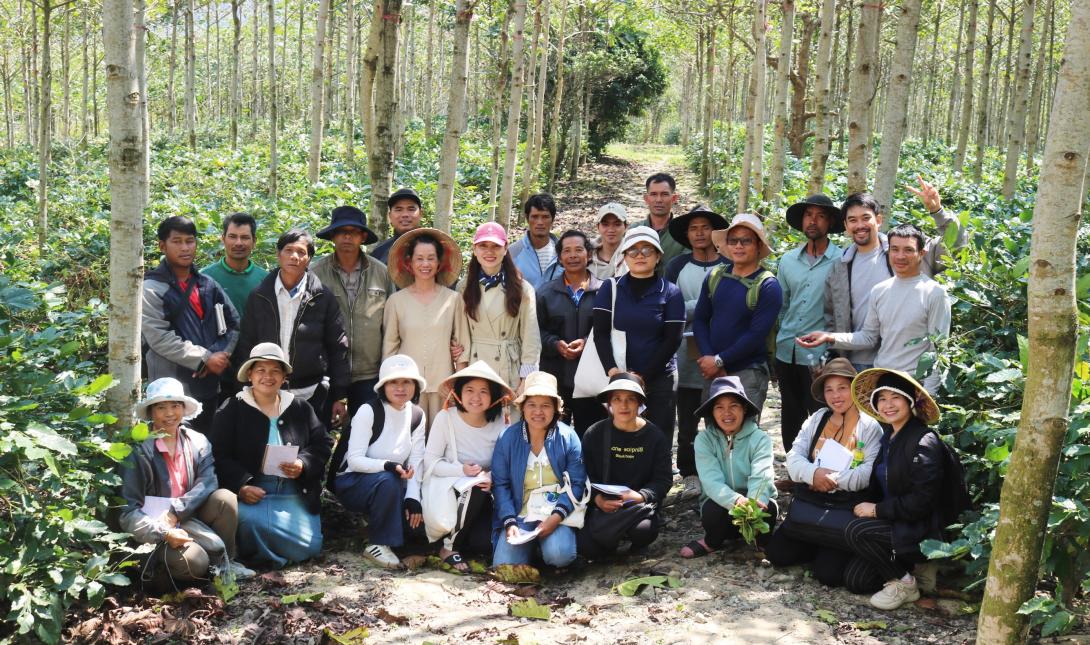
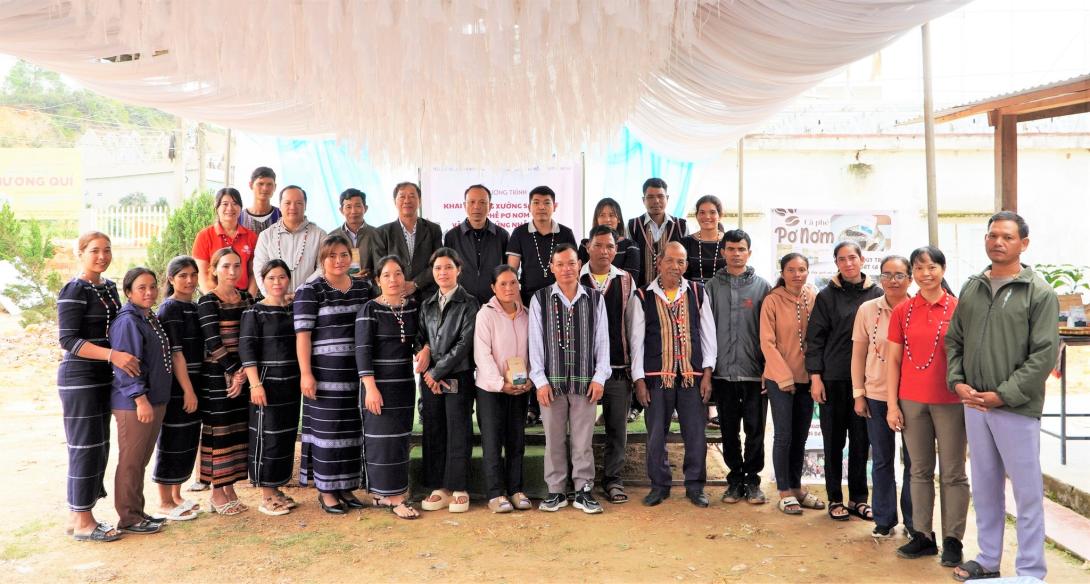
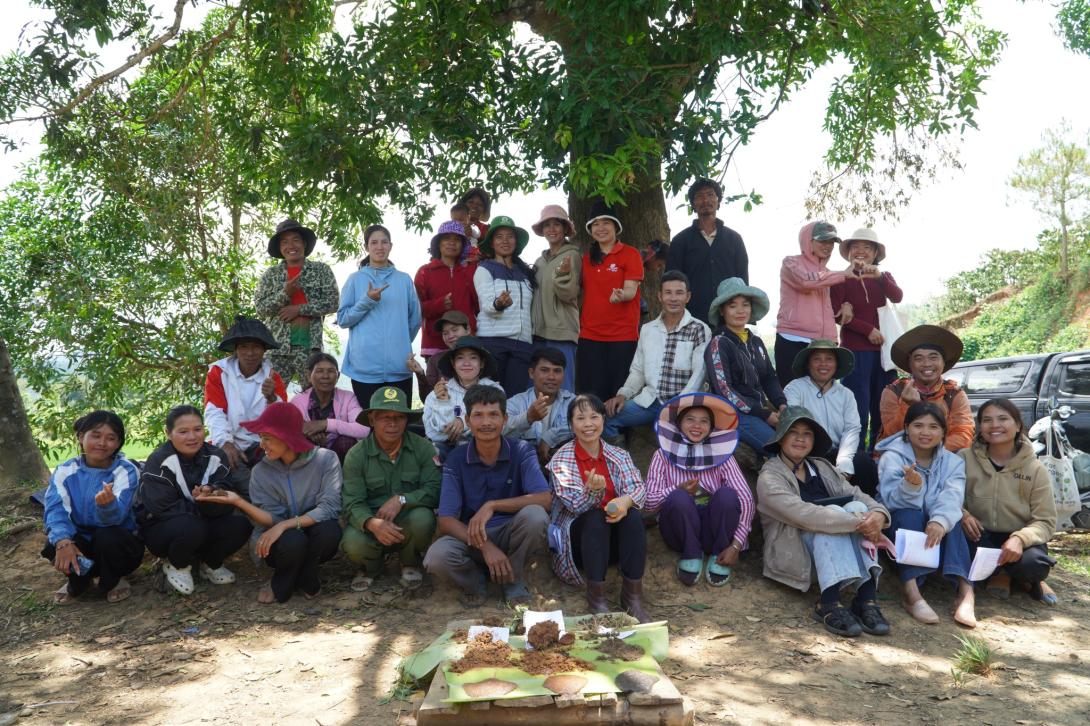
During the People's Self Development (PLD) project journey, Caritas Da Lat always believes that: True change does not come from imposed directives, but sprouts from the awakening of the community. We are just a bridge, a companion for farmers to self-reflect, self-evaluate and decide their own destiny in their own homeland. Through recent field seminars in Da Nhinh, TaLy and Tu Tra, that spirit of solidarity has been expressed in the most vivid and profound way.
Listening to the voice from the ground: The painful contrast
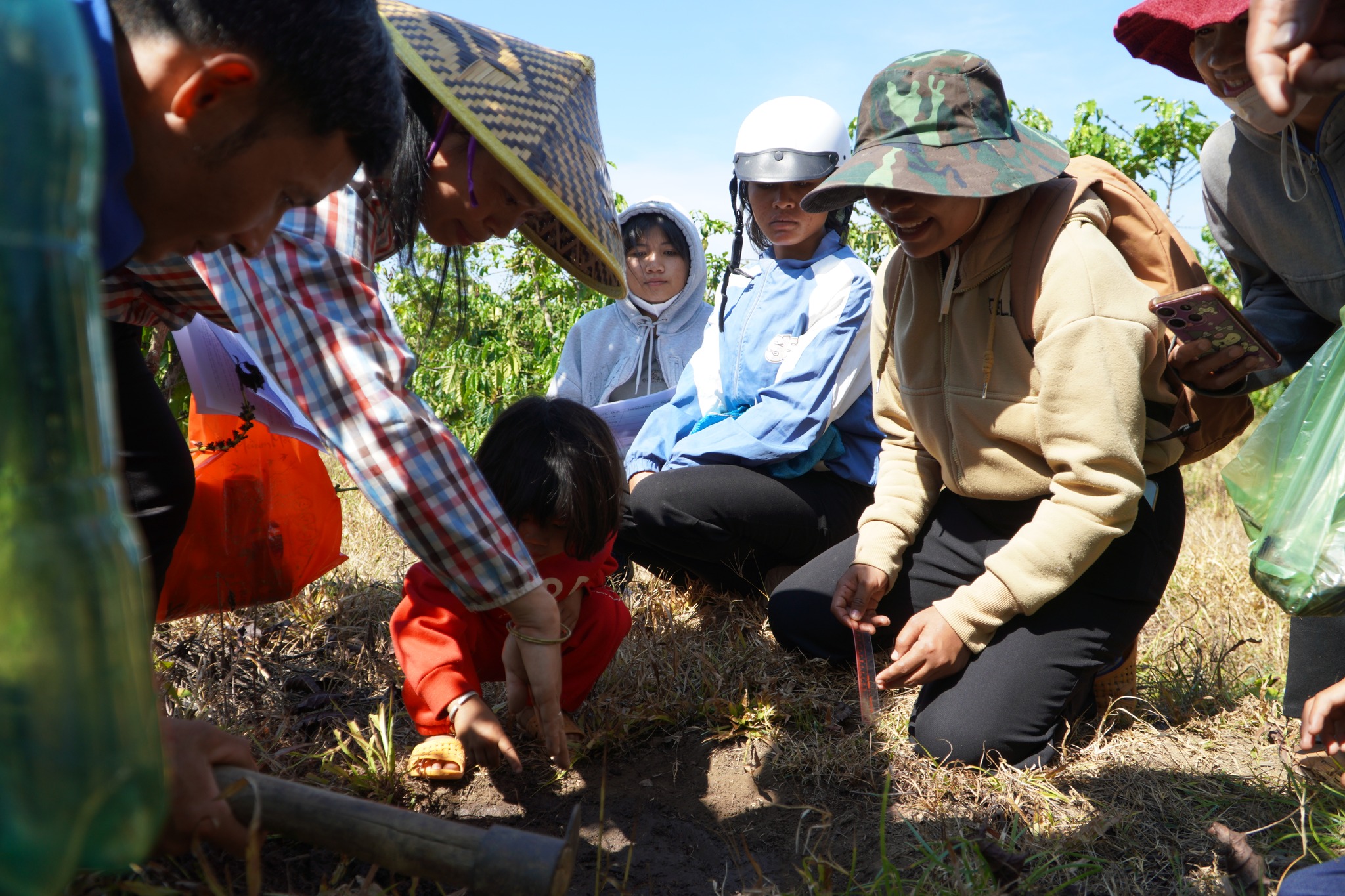
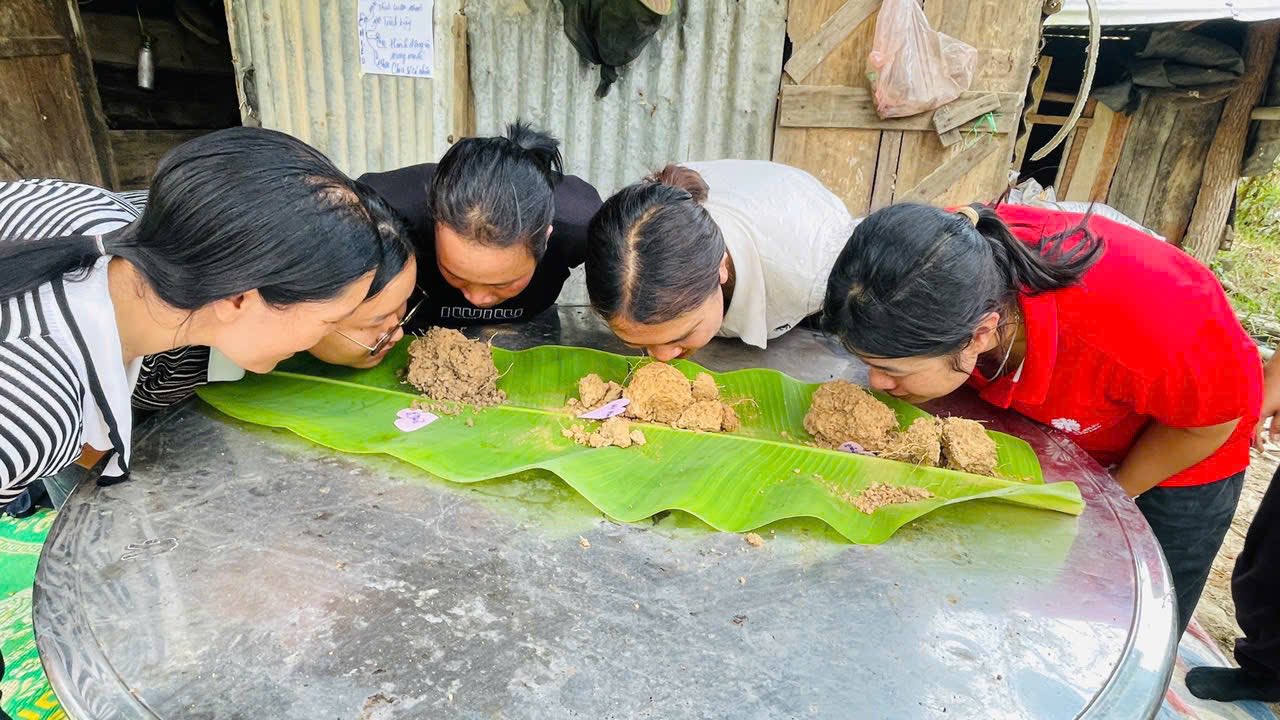
Through field surveys and hands-on experiments with soil, people directly compared and realized the clear differences between farming methods:
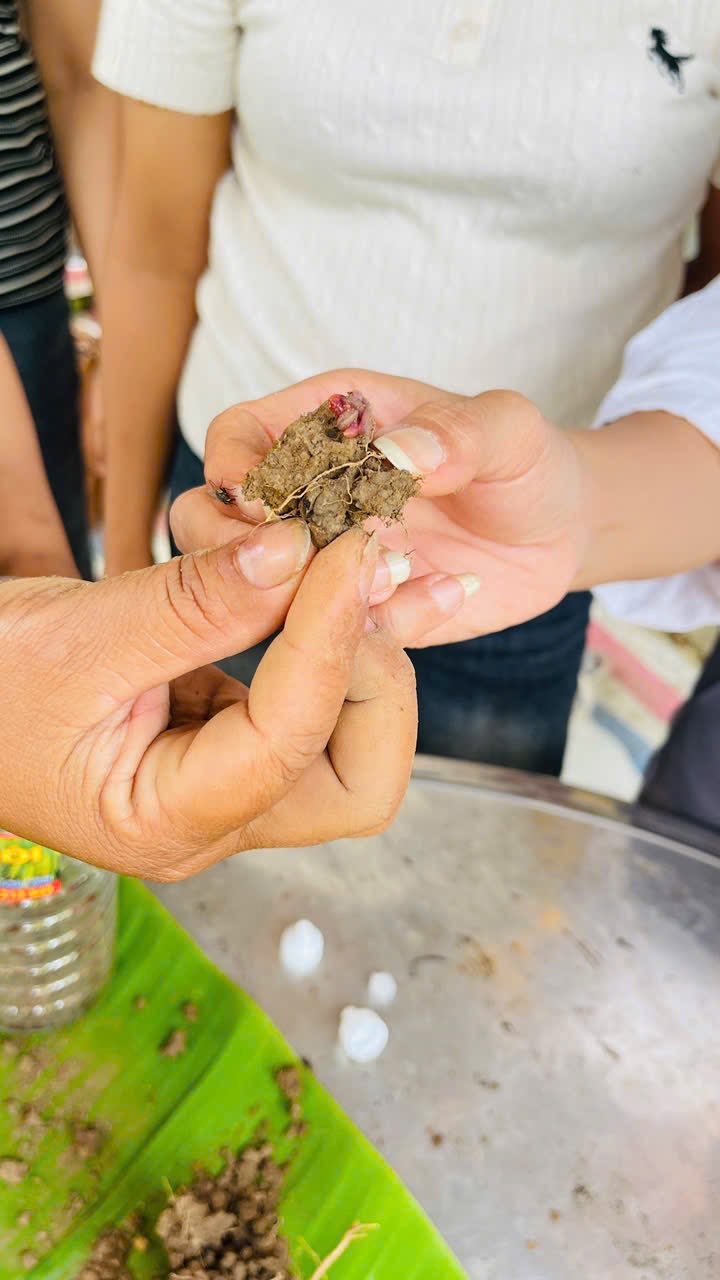
- Forest land and ecological farming land (keep grass, cover): The soil is dark black, loose, retains moisture and absorbs water very well. When pouring hydrogen peroxide, the soil foams a lot, proving that the underground microorganism is extremely rich with the appearance of worms, ants, termites, and bugs. The roots penetrate deep, grow densely and grow strongly. The soil exudes the aroma of mushrooms, decomposing leaves and earthy ginseng.
- Soil overused with chemicals (sprayed with herbicides): In complete contrast, the soil is often dry, hard as concrete and exposed to direct sunlight. When tested, the soil had little effervescence, lacked microbial life and had a burning smell. Plant roots are stunted, sparse, short tap roots and mainly penetrate horizontally into the ground to find nutrients.
Identifying the unpredictable harmful effects of Chemical Fertilizers (PTHH)
From practical observations, people themselves have concluded the unpredictable risks of the old way of doing things:
- Destroying the vitality of soil and plants: Herbicides and chemical fertilizers kill microorganisms, causing the soil to become "addicted to fertilizer" and harden. Grass-free soil is susceptible to erosion, washing away the topsoil when it rains. Plants lose their resistance, lack leaves, dry branches and are susceptible to diseases such as yellow leaves, mealybugs, and twig beetles.
- Economic burden: Although chemical fertilizers bring immediate productivity, in the long run, soil degradation causes farmers to have to invest increasing costs, leading to debt.
- Mối nguy cho sức khỏe: Việc tiếp xúc thường xuyên với thuốc hóa học khi bơm xịt làm gia tăng nguy cơ mắc các bệnh nghiêm trọng như ung thư, tai biến, đột quỵ, viêm da, và thậm chí gây sảy thai, dị tật ở cả con người lẫn vật nuôi như bò. Môi trường sống mất cân bằng sinh thái, ảnh hưởng đến nguồn nước.
Standing on your feet: Solutions and Actions from the community
Faced with these sad realities, at forums, when asked about choosing a future direction, 100% of people raised their hands to wish their garden land to be as good as forest land and agreed to choose the solution of gradually reducing chemical fertilizers. People have drawn up specific action plans to restore land:
- Vegetation management: Stop or reduce spraying herbicides, instead raise grass to cover the surface, keep soil moist and use grass as natural fertilizer.
- Mulching practice: Use straw, dry branches and leaves, and banana stems to cover the base of the tree. Dredging helps cool the soil, providing an environment for microorganisms to decompose to create nutrients for plants.
- Provide natural nutrients: Convert to compost and apply manure. Not plowing deeply will cover up the good soil layer and damage the soil structure.
- Reestablish biodiversity: End monoculture by intercropping a variety of fruit trees, windbreaks, shade trees and nitrogen-fixing trees along contour lines. Combine raising cows, goats, and chickens to create local fertilizer sources.
The journey towards Ecological Agriculture is not an overnight leap, but a gradual transition to give the soil and plants time to adapt. Caritas Da Lat deeply believes that, when farmers are self-aware, self-planned and persistent in their actions, they will stand firmly on their feet, turning the dry garden back into a rich "Common Home" for future generations.
Xuan Khoa - Caritas Dalat Media