
Workshop on Sharing Overall Results of Participatory Research - PAR

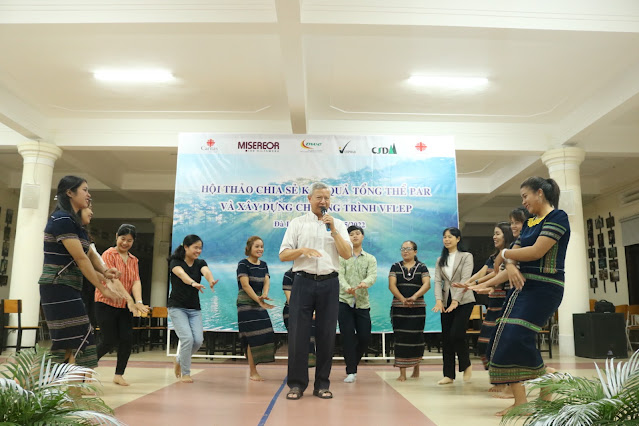
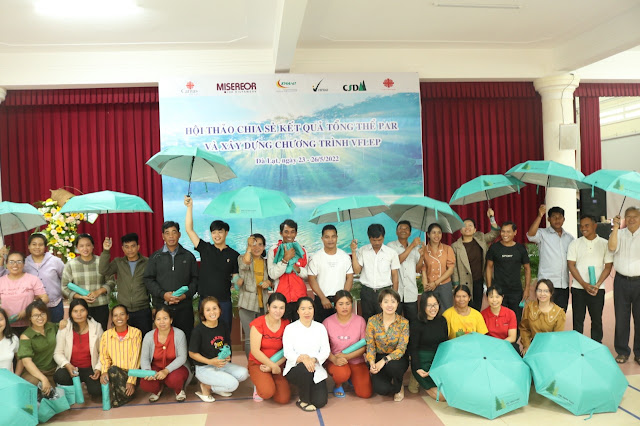
WORKSHOP TO SHARE THE OVERALL RESULTS OF PARTICIPATORY RESEARCH (PAR) AND BUILD A PROGRAM FOR LEARNING EXCHANGE FORUM FOR VIETNAMESE FARMERS (VFLEP)
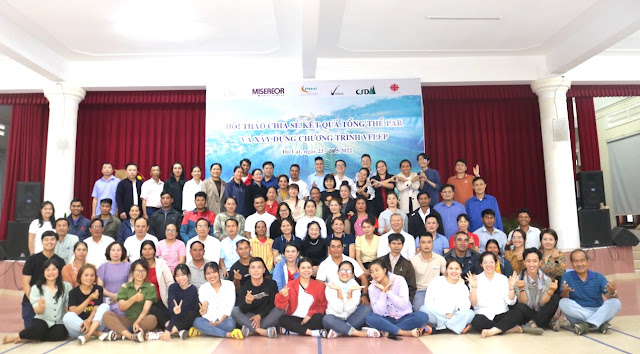
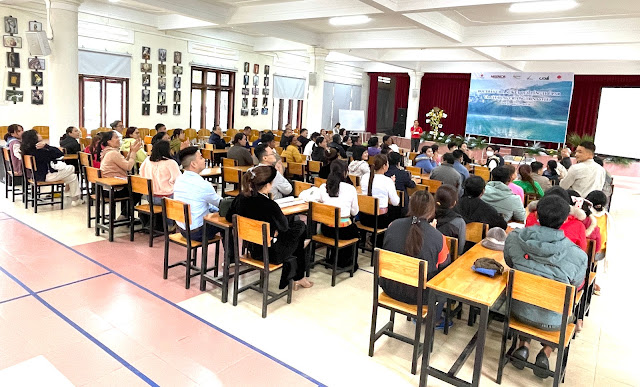
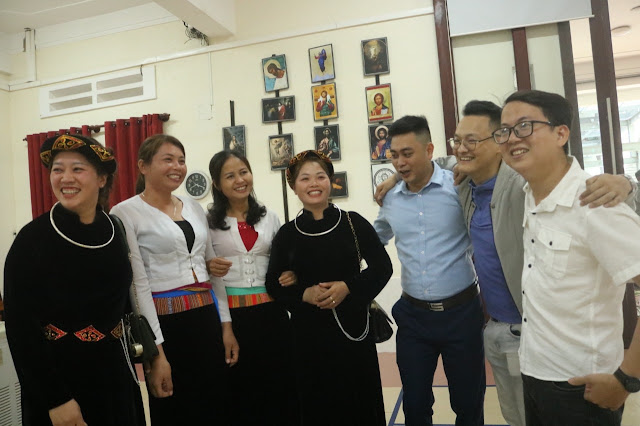
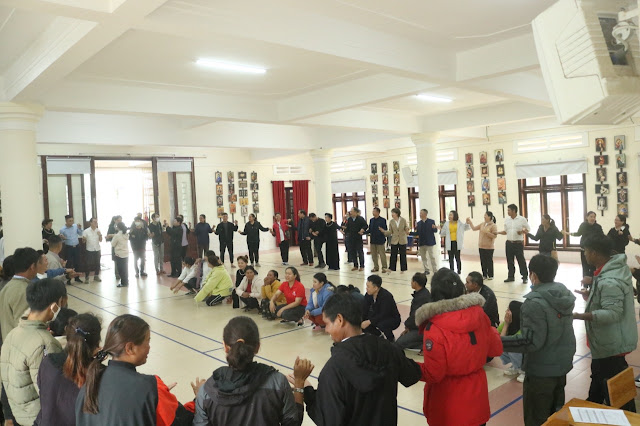
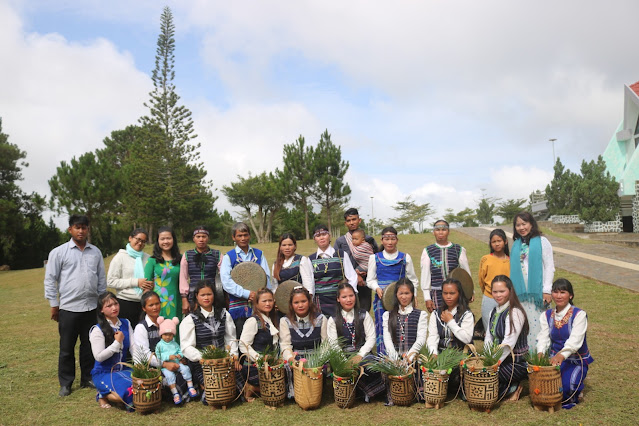
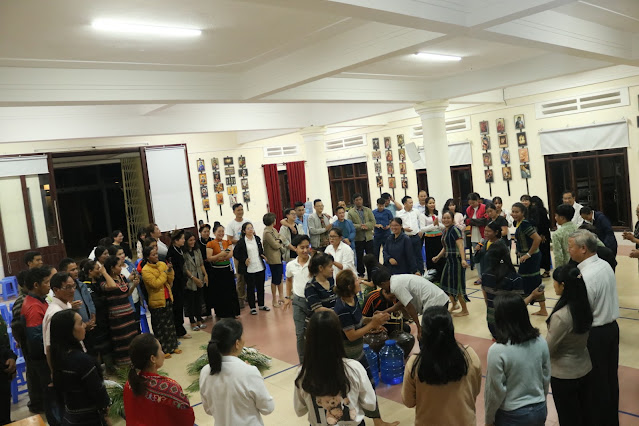
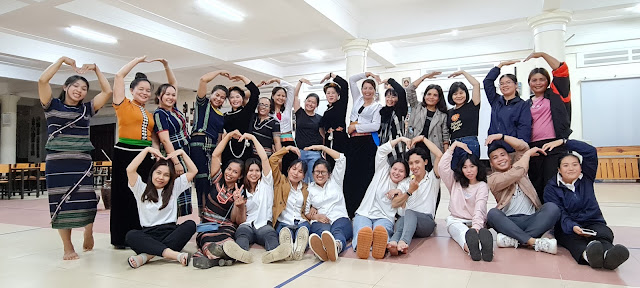
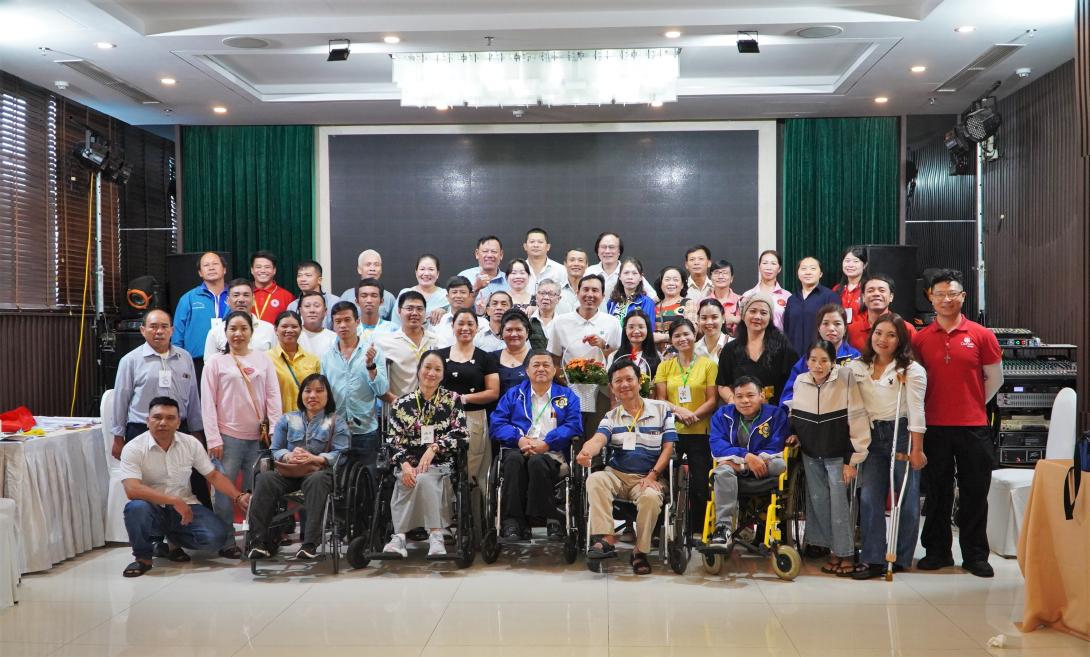
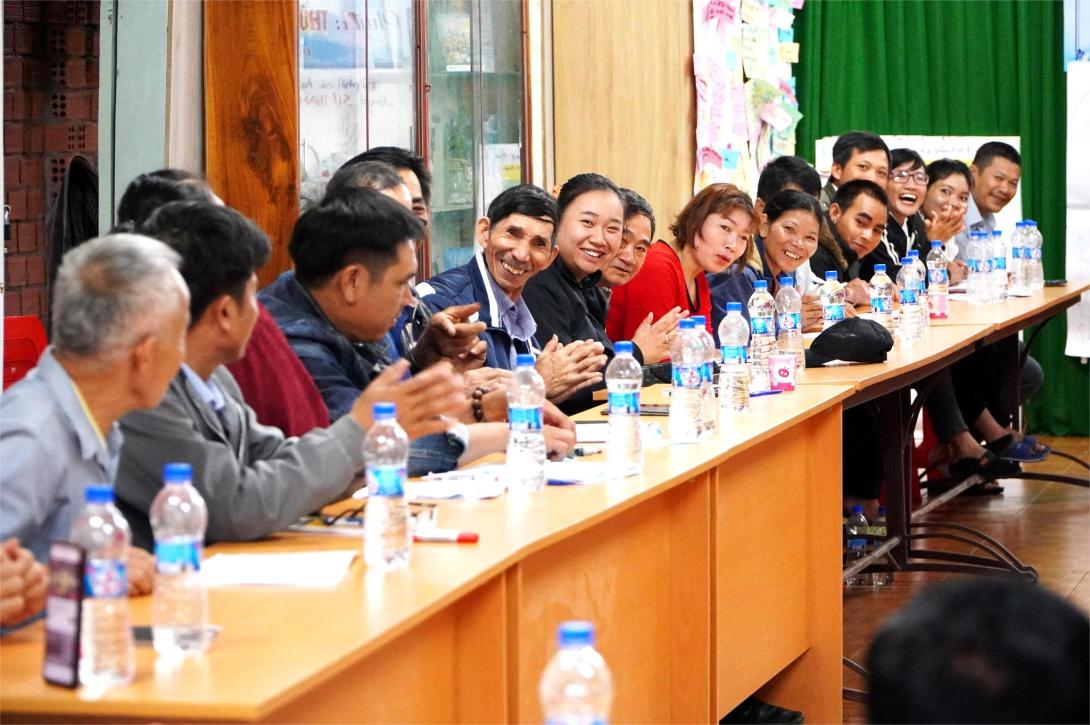
The conference takes place for three days from May 23 - 25, 2022 at Dalat Pastoral Center - 51A Van Kiep - Ward 8 - Dalat City. Attending the conference were 84 representatives from five organizations: CSDM (Center for Sustainable Development in Mountainous Areas); DWC (Development Support Center for Women and Children); CEPHAD (Center for Public Health and Community Development); Caritas Phan Thiet and Caritas Dalat. In addition, this seminar also had the participation of Caritas Long Xuyen, NTFP-EP (Vietnam Non-Timber Forest Products Program) and a number of guests. The workshop took place with the companionship and support of Ms. Elizabeth Cruzada - Misereor's consultant on PLD (People Led Development).

The purpose of the seminar is: Research results with the participation of farmers in Ethnic Minority communities are shared and a strategic plan is developed for the Vietnamese Farmers Learning Exchange Forum (VFLEP).

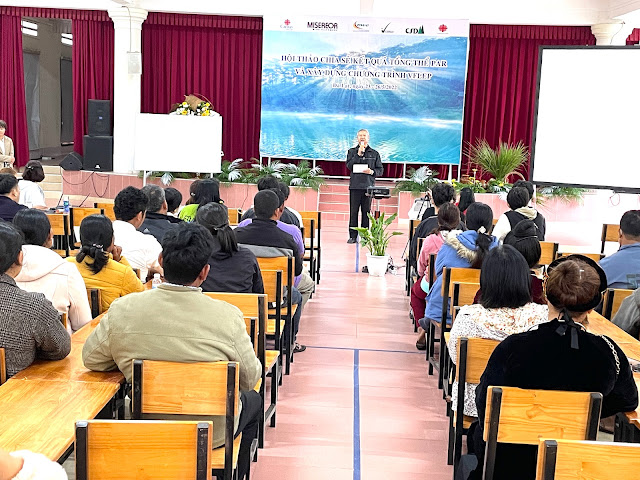
Opening the conference, Father Gioan Bosco Hoang Van Chinh - Director of Caritas Dalat, thanked Misereor for accompanying the 5 organizations over the past 2 years and wished the conference a great success and achieved the set goals.

Next, the project overview presentation and report on PAR implementation results in 16 villages in 6 provinces of Cao Bang, Bac Can, Lang Son, Thanh Hoa, Binh Thuan and Lam Dong. Over the past 2 years, although Covid 19 caused many obstacles, all organizations have overcome those difficulties to complete research with their communities.

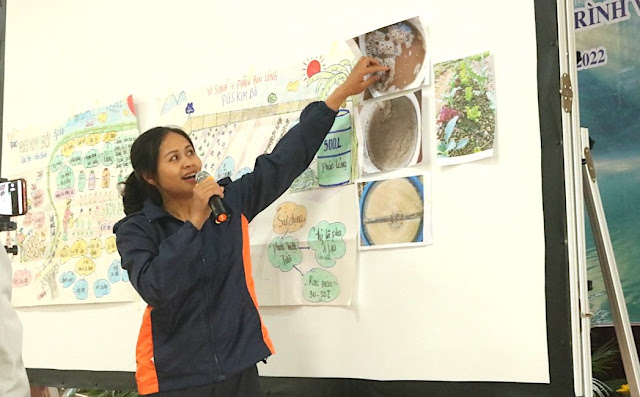
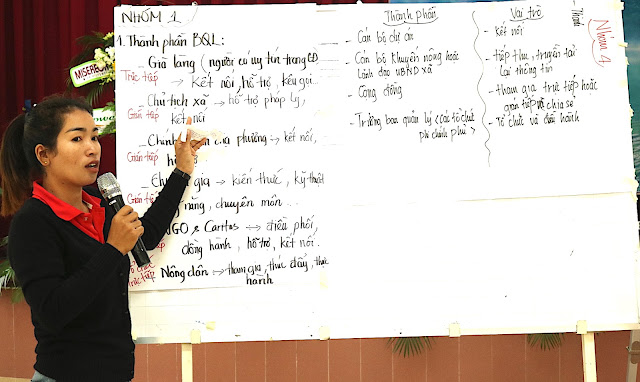
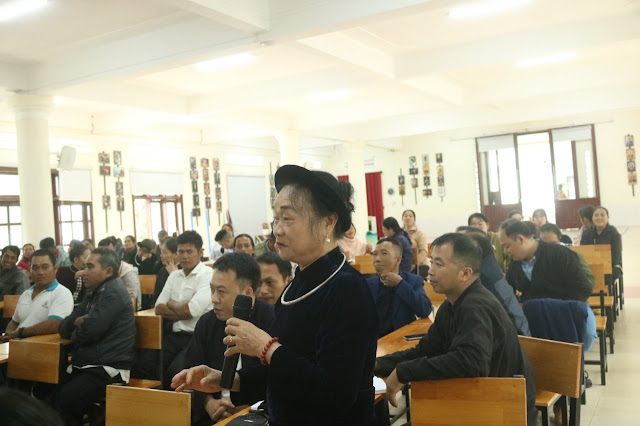
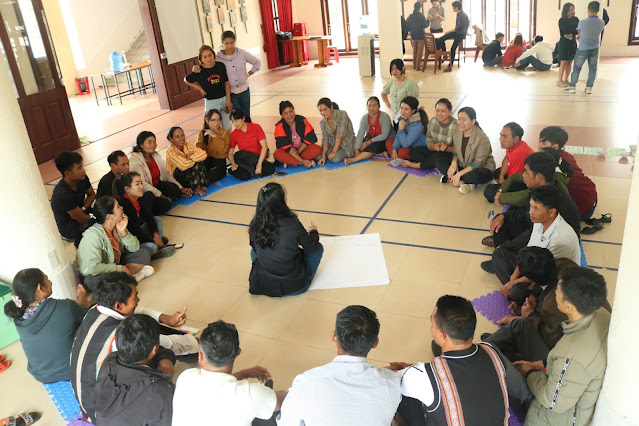
The seminar includes 2 main parts: Sharing stories of PAR implementation presented by the farmers themselves, attracting the attention of the participants. Story:
1. Waste treatment in Mo Sat village
2. Basic organic vegetable model Dam
3. Building the Dung K' No community organization
4. Phan Thiet rice model
5. Bo Thuong village livelihood model
6. Bui Farm forest garden model
These stories attract listeners because these are models that have been and are being made by farmers themselves, not from an agricultural engineer or another scientist. From the farmers with their hands and feet in the mud, they have gone through many hardships and words to produce typical products of the region.

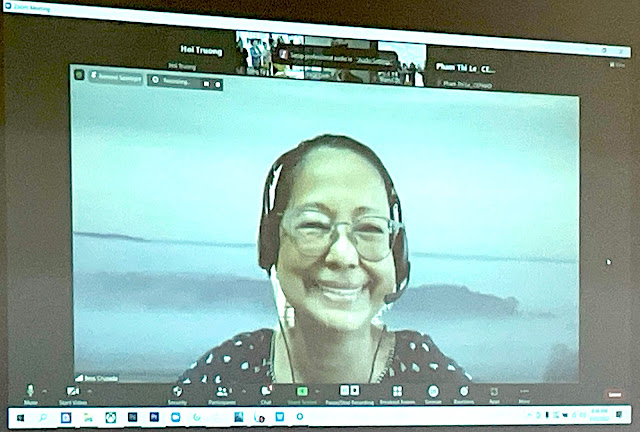
Ms. Bess's sharing after listening to communities present the results they achieved when applying the PAR method: we are on the path of independent development when we work together. Some people come up with ideas quickly, speak quickly, but we need to listen and do things together, waiting for each other to go along. Principle 1: common good, choosing what's best for the community, how to think about what's best for the indigenous community. Principle 2: apply, set the goal you want to achieve. The fact that farmers sit together to form farmer groups, with common interests or hobbies and dare to do things, has created their own paths, creating many changes in the lives of individuals and communities.

Building the VFLEP forum with the purpose of: Exchanging learning and sharing experiences in communities about Ecological Agriculture (NNST). Create motivation for change and improve capacity for forum participants. Promote and support community ideas and initiatives towards agrifood production.

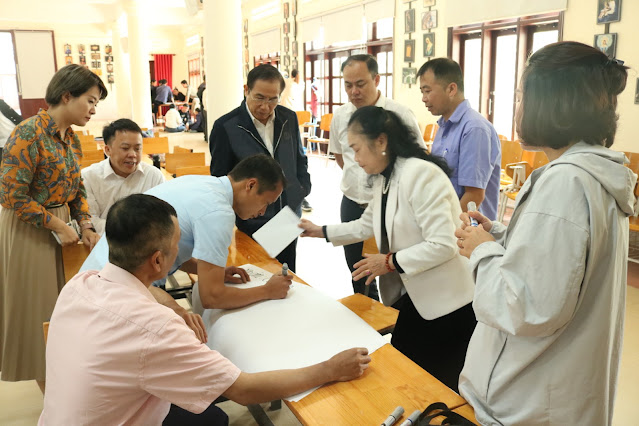
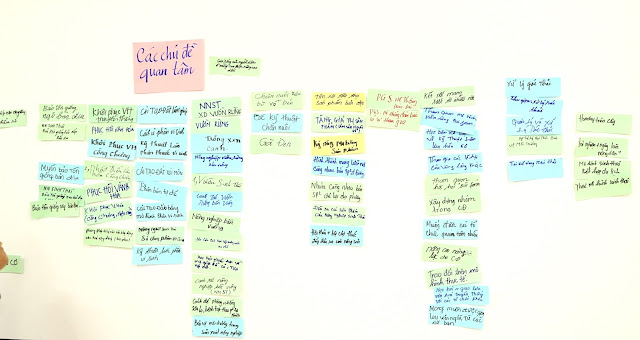
After the discussion, the participants raised topics of interest such as: Preserving native breeds, restoring traditional culture, land reclamation, forest garden models, animal husbandry techniques... Develop a roadmap for implementation and forum content in the next 3 years.

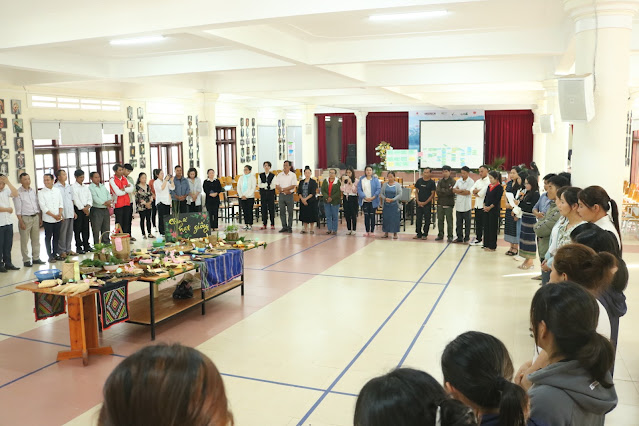
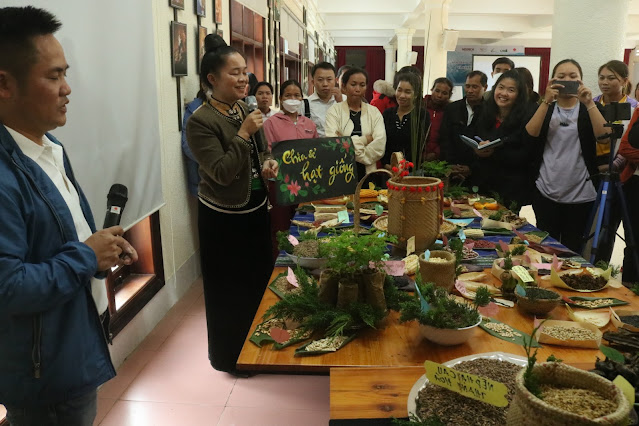
Interspersed throughout the three days of the workshop were the sharing of indigenous products introduced by the communities such as Cao Bang arrowroot vermicelli, Dinh Trang Hoa coffee, Phan Son forest honey...

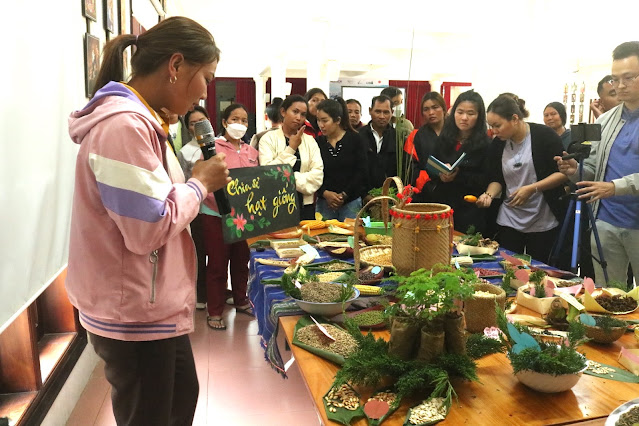
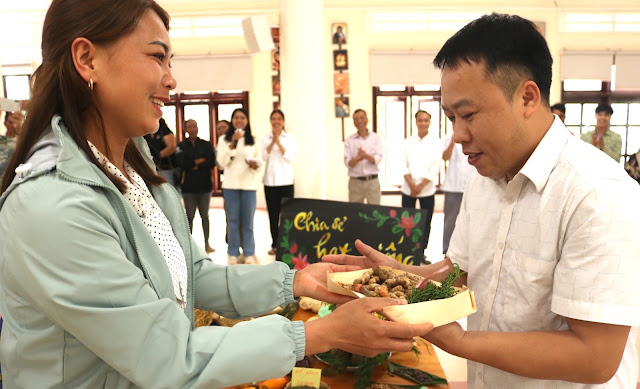
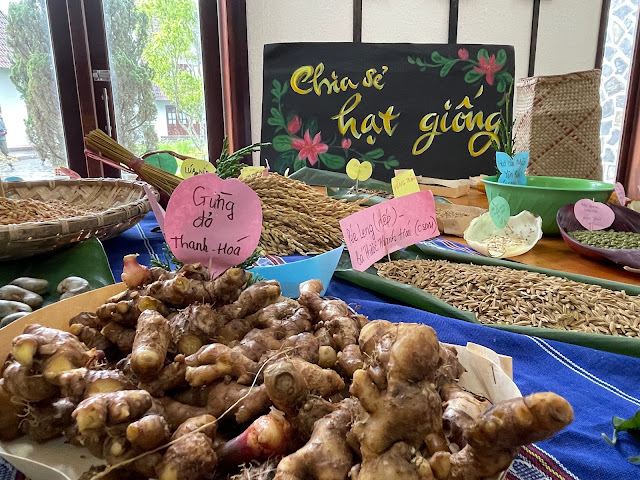
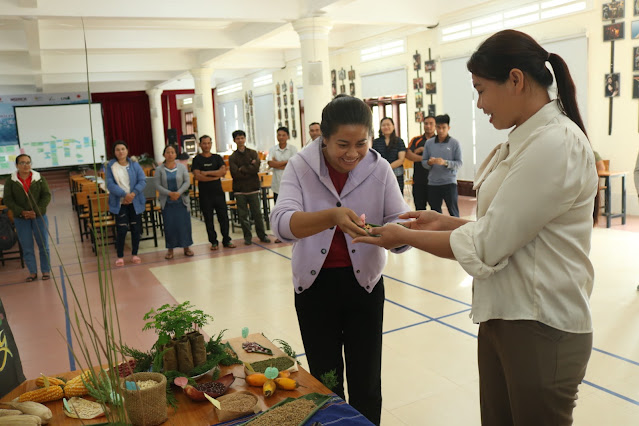
The bustling and exciting seed sharing hour is like a miniature market because farmers all bring seeds and bulbs to share. Yen Bai has Meo cabbage and Tu Le sticky rice. Lang Son has fetal rice and sweet potato. Thanh Hoa brought yellow-fleshed taro tubers. Phan Thiet has mother rice, green, red, and black beans. Dalat has cucumbers, pumpkins, rosewood... Each person receives the seeds they love and want to plant on their own land. Yen Bai farmers choose green black beans from Phan Thiet, Caritas Long Xuyen receives melon seeds from Kim Boi...

The plans that have been proposed and the seeds that have been given are now just waiting for farmers who are determined to implement them so that those plans become concrete actions and those seeds bear fruit. Steps taken together on the path of independent development towards ecological agriculture.
Article: Tuyet Tram - Photos: Late Cil
Some images:


Activity Photo Gallery (23)