
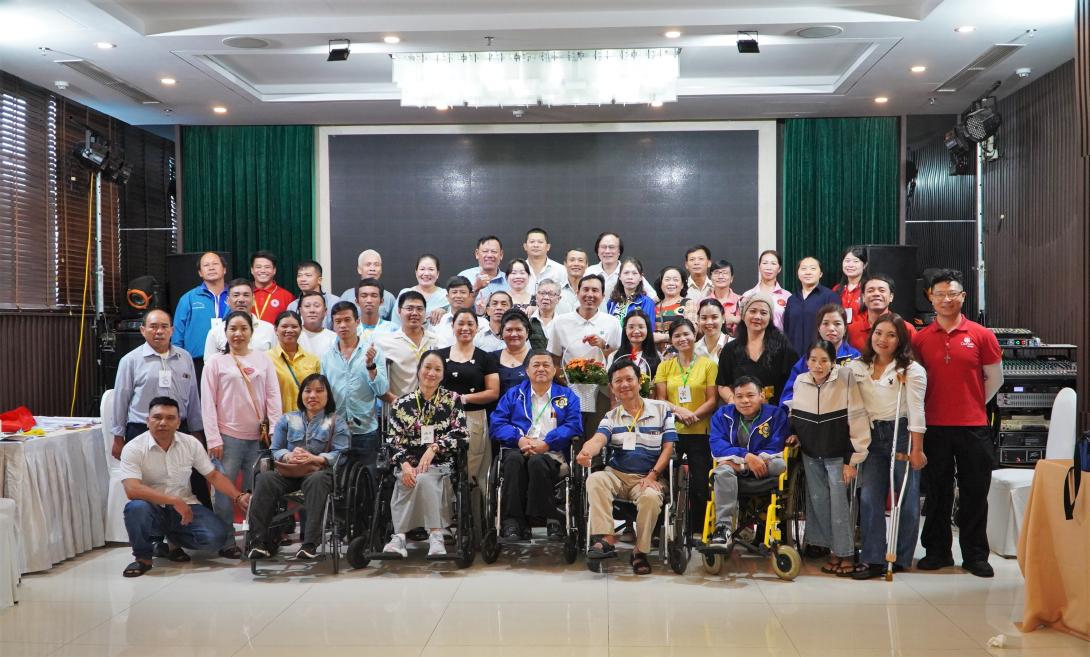
Early in the morning at 3:00 a.m., the group members were busy preparing for the trip, bringing more than 50 members representing 8 associations of People with Disabilities (PWDs) in Lam Dong province, the Red Cross Society and Caritas Da Lat together towards Nha Trang. Having traveled a distance of 180 km, crossing the winding roads of Ngoan Muc Pass, our group arrived at noon, in time to have a meal and rest to prepare for the first lesson on the afternoon of April 1.
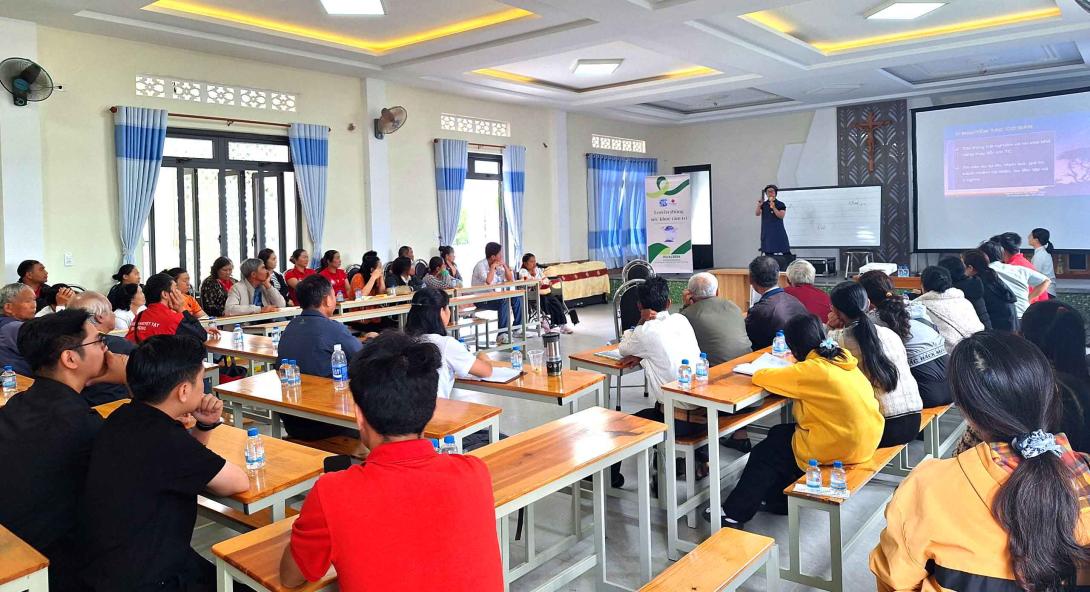
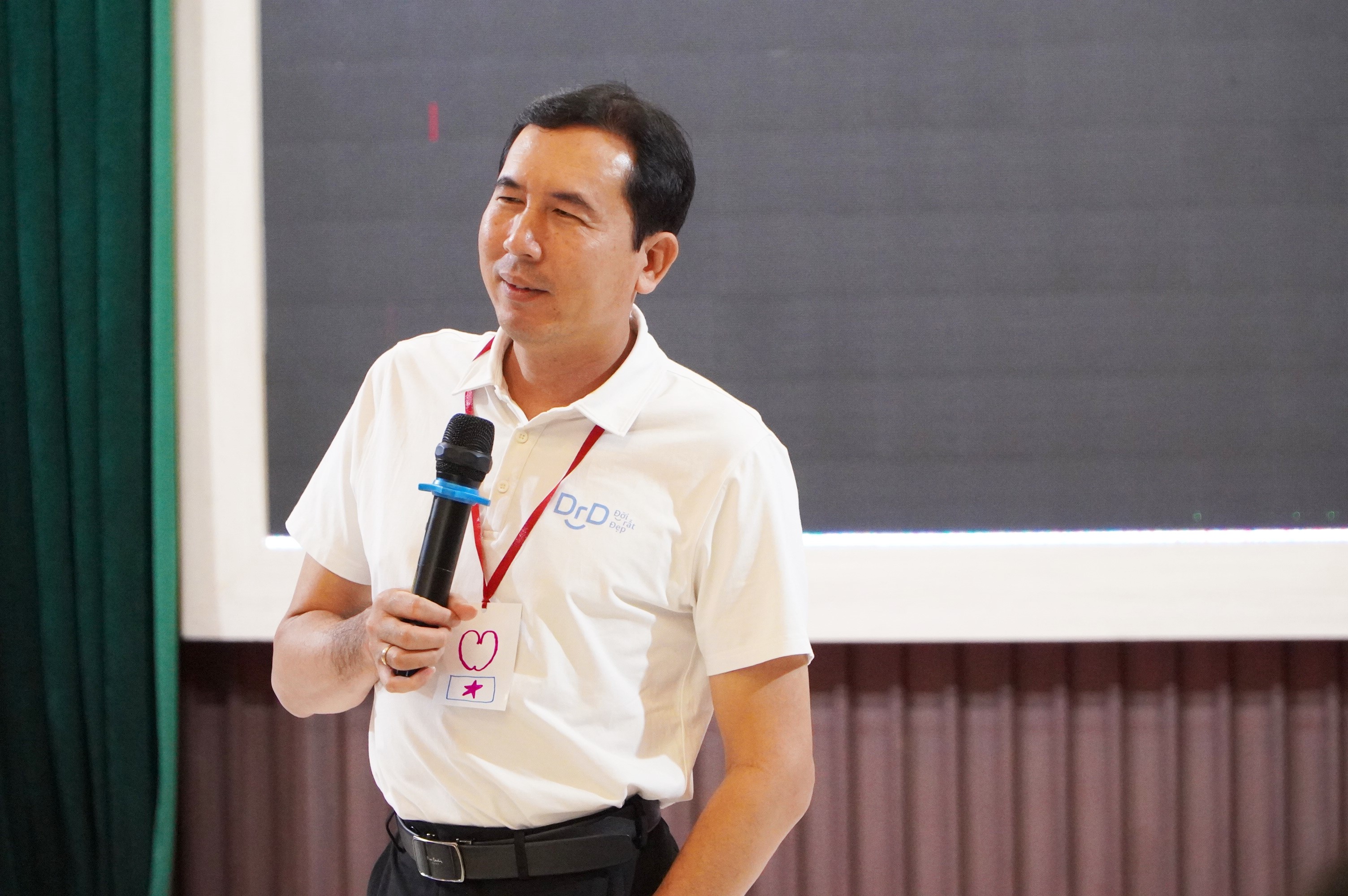
This year's KLEP Forum revolves around the theme "Adaptive Leadership and Empowerment" and is an opportunity for leaders of the Disability Association to meet, share, propose management solutions and promote proactive and creative participation from the successor team. In particular, the presence of Mr. Nguyen Van Cu - Deputy Director of DRD Center - with his knowledge and practical experience promises to bring many useful perspectives.
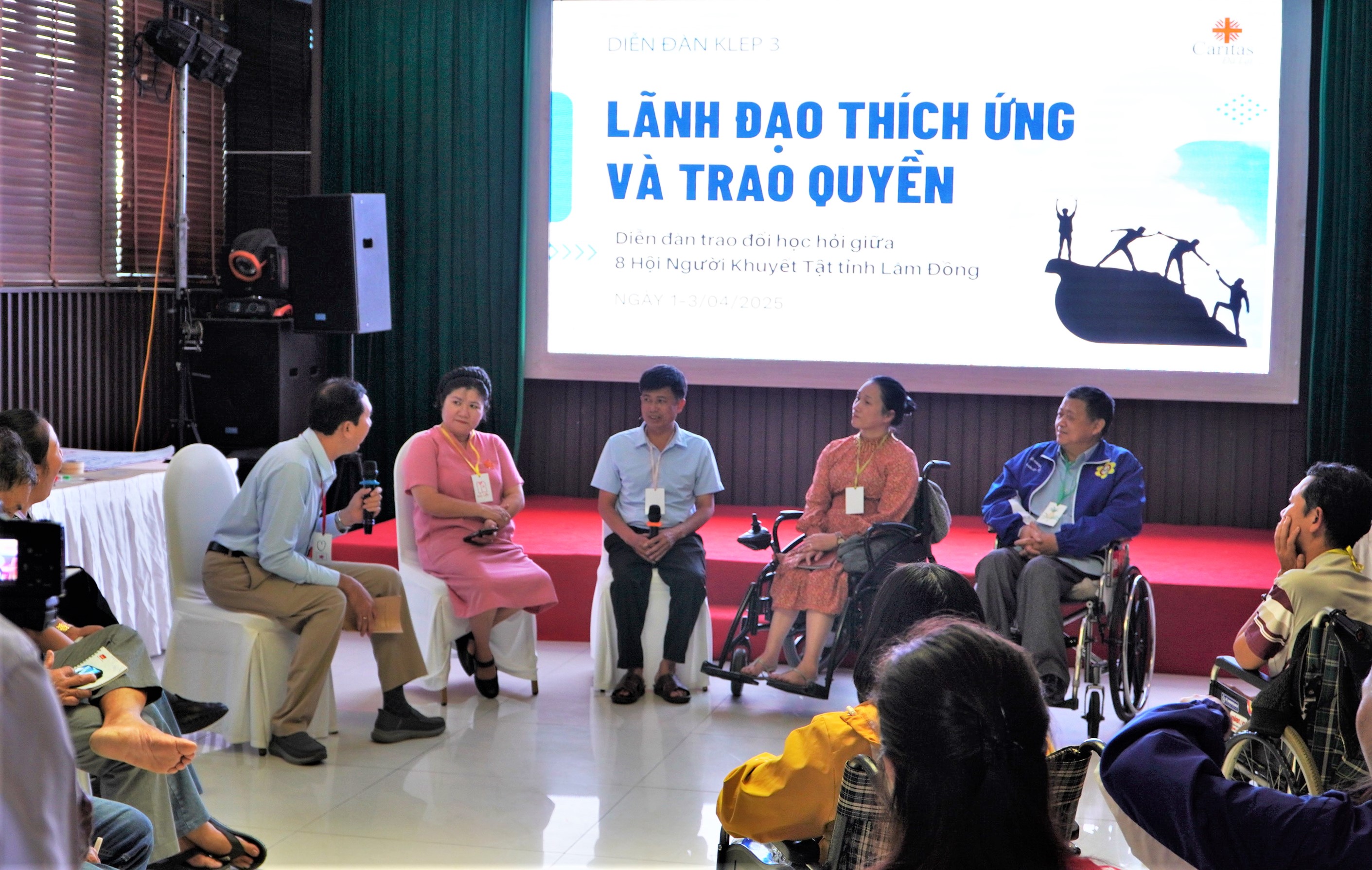
Exchange discussion: Listen to understand - learn and grow together
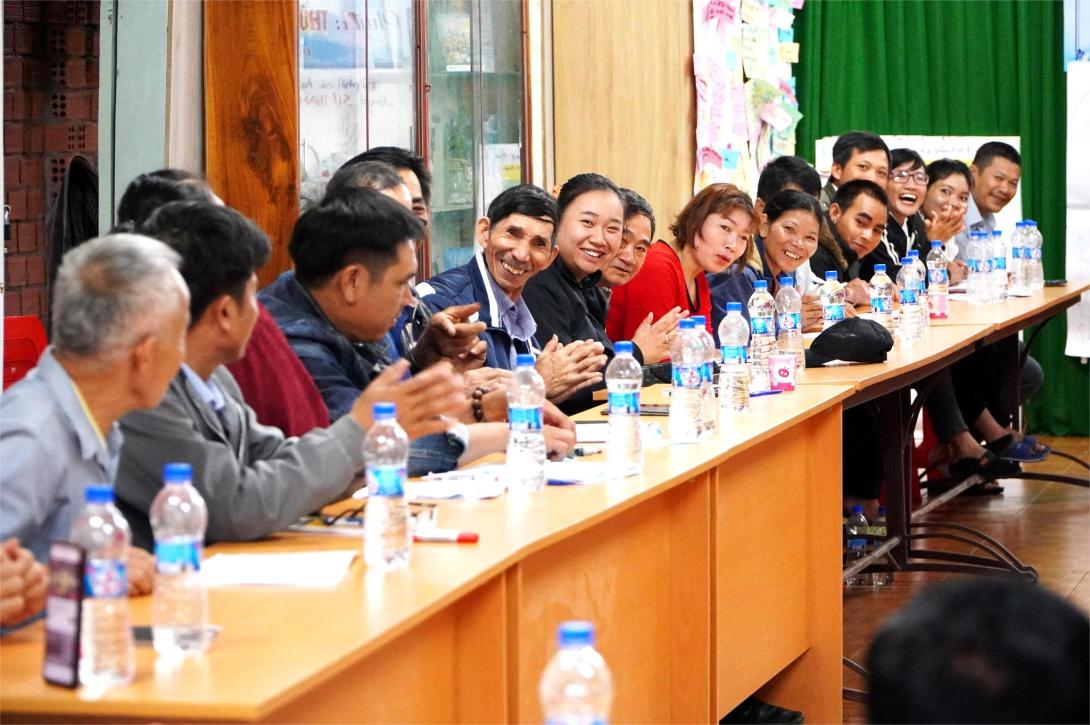
Within the framework of KLEP 3 Forum, the discussion session between leaders of the Association of People with Disabilities took place in an open and sincere atmosphere, with everyone sharing real stories, lessons learned and concerns for the journey ahead.
Where does success come from?
Delegates unanimously affirmed: the success of current associations stems from placing the rights of people with disabilities at the center of all activities. The solidarity and attachment between members of the association and especially the Executive Committee is a solid foundation for the Association to develop. Besides, creating conditions, listening to members' opinions - especially the younger generation - and creating an environment for them to contribute and commit is an indispensable factor. A spirit of "dare to sacrifice, dare to wholeheartedly" is always emphasized as the fire that keeps the association alive and persistent.
Invite participation – not just with words but with concrete actions
How to attract real participation and commitment? According to Mr. Nguyen Van Cu - Deputy Director of DRD Center - the answer lies in "identifying" the strengths of each member. He suggested the questionnaire survey method - a simple but very important step - to analyze strengths and weaknesses to assign appropriate tasks, create personal motivation, create a premise for appropriate training of members, and promote the growth of each person. More importantly, the survey needs to be carried out periodically, in each period, so that the Association not only adapts to change but also always stays one step ahead in planning development corresponding to the aspirations of its members.
When each member feels that the Association's action plan brings practical value to them, and when their contribution is appreciated, they will be willing to commit. An organization can only be strong if every role – big or small – is recognized equally. And sometimes, the simplest thing to attract resources is: "Do what you do well - others will automatically want to join you." In relationships, human and financial resources are always inseparable. From a good relationship, a member can open connections with other resources, thereby forming a sustainable support network.
Challenges cannot be avoided
It is not difficult to realize that the biggest difficulty today is the financial problem. The associations have jointly proposed many creative solutions: developing appropriate business models, properly allocating funds, and building a young team with project writing skills to mobilize resources. However, Mr. Cu especially emphasized: "don't rely on pity to sell products" - that is not a long-term path. To survive, products and services made by people with disabilities need to be truly high quality and able to meet market needs. Let customers see the value they receive, and then the inspirational story behind it.
The same goes for sponsors, don't just focus on talking about the association's difficulties, but talk about the value that both sides can get. A win-win relationship is what associations need to aim for, because demonizing people with disabilities will only keep them bound in social stereotypes.
Challenges come not only from within, but also from external administrative changes. Information about merging administrative units at commune and district levels in the near future will also cause many disturbances in organization and association activities. With this merger situation, many associations are forced to change their operating methods, reconnect members from the beginning, and reorganize all activities - a challenge but also an opportunity to renew themselves.
Adaptive and empowering leadership: Growing together
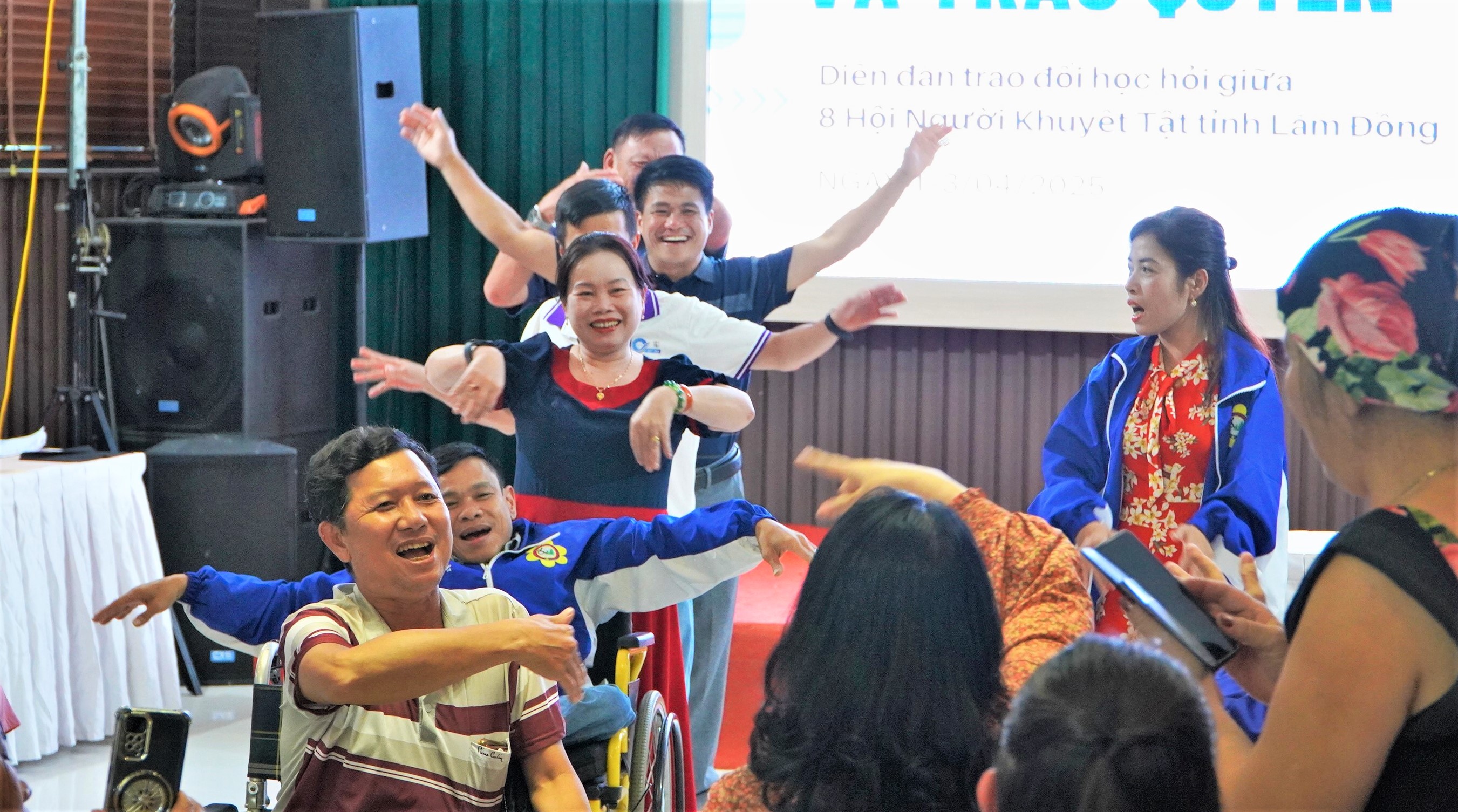
In an organization, especially an organization for people with disabilities (PWDs), where many different ages and backgrounds converge, adaptive leadership is a key factor in creating cohesion. Each generation has its own thoughts and approaches, so instead of judging or imposing, it is important to listen and respect those differences. Leaders and members both have certain expectations for each other, but sometimes expectations that are too high create pressure, easily leading to misunderstandings or disappointment. Instead of thinking that "if we can do it, others must do the same", associations need to learn to put themselves in each other's shoes to understand.
What needs to be deeply aware is that "the Association is a common property, does not belong to just one person". When each person realizes they are an indispensable part of that journey, they will be willing to contribute with initiative and enthusiasm.
Besides, a big challenge for people with disabilities is that when communicating with outside society, they often face discrimination or prejudice, even in very everyday situations such as drinking coffee or going to a restaurant. Instead of being proud, angry or withdrawn, people with disabilities need to learn how to react calmly and tactfully - because it is that calmness and confidence that will contribute to changing society's perspective.
Within the organization, a common mistake that many leaders easily make is that when members do not do things correctly, they stop assigning tasks and do it themselves. That not only eliminates the development opportunities of others but also causes the organization to lack continuity. Delegating authority is a process: not simply assigning tasks, but also creating conditions for the person receiving the task to clearly understand the role and goals, be supported in the implementation process, and receive positive and constructive feedback and suggestions.
Assigning tasks needs to be done purposefully: clearly determine what skills the job requires, what personality it is, and who it is suitable for; At the same time, create space for members to take initiatives instead of doing things for them. When choosing people to empower, you also need to consider carefully: who is truly determined, who is willing to commit, and what kind of people the association needs to develop in the future. Existing weaknesses also need to be clearly recognized to have appropriate training plans.
Another barrier when delegating power is the fear of losing power or not trusting that others can do as well as you. But if leaders keep doing everything, the organization will not be able to expand. On the contrary, if you know how to trust the right people at the right time, the organization will have many potential "extended arms".
Finally, in relationships with partners, the leader should not be "the only person who can do the job", but should proactively create opportunities and introduce members of the Association to partners, in order to build reputation for the whole team. This not only helps the organization be more flexible but also contributes to developing the successor team in a sustainable way.
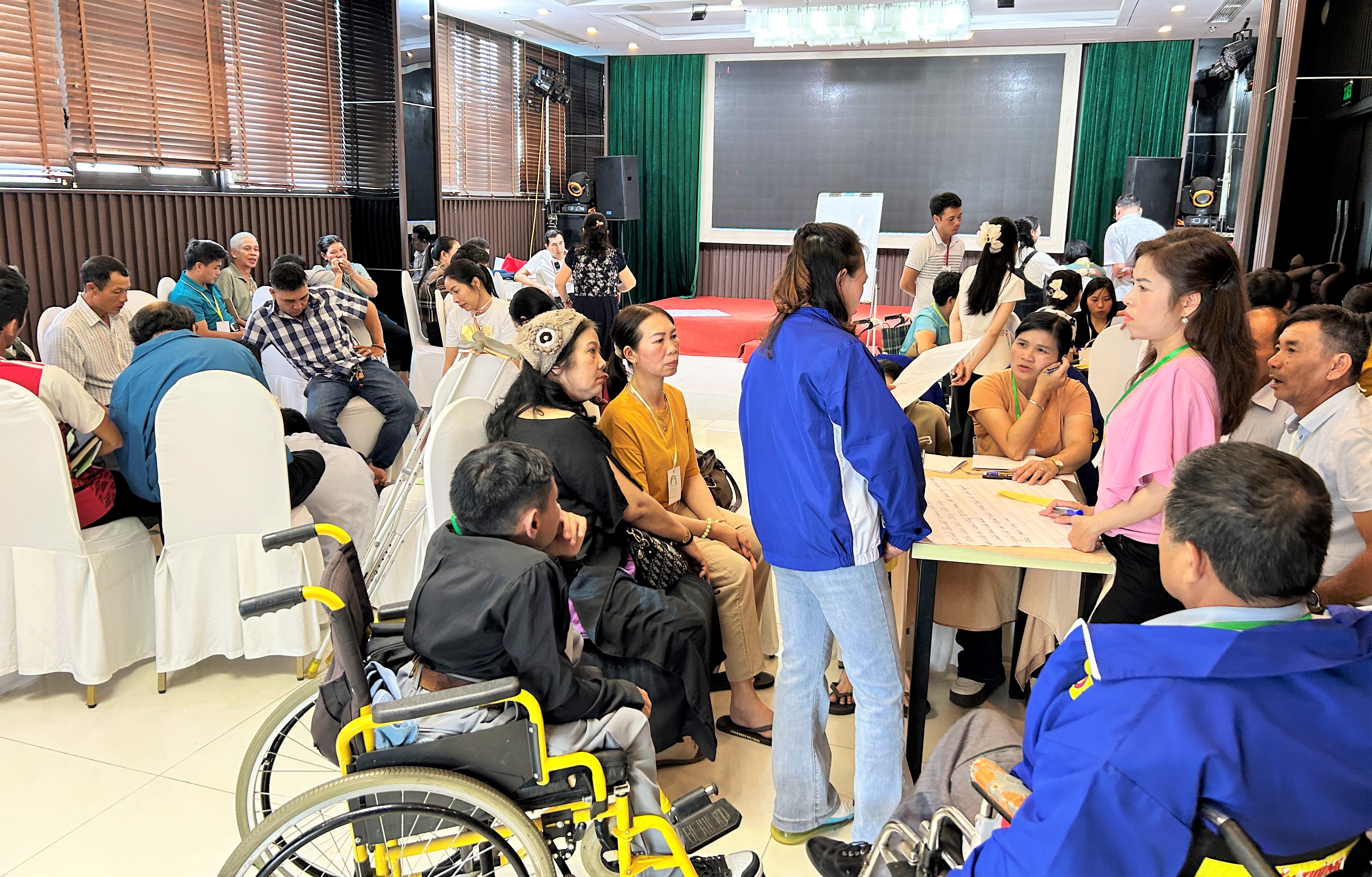
Action plan: Let's chart the way forward together
At the end of the program, the Associations proactively developed action plans for the coming time, receiving specific and realistic comments from Teacher Nguyen Van Cu. He also expressed his willingness to continue accompanying the associations in guiding the development of plans and writing projects - if the associations have a need. This is a valuable source of support for associations to gradually improve their organizational, management skills and access to development resources.
Ms. Phi Thi Thuy - member of Lam Ha Disability Association shared more: "I participated in both KLEP 2 and KLEP 3 courses, and really saw the growth in each member. Everyone is bolder, more confident in sharing... What I am most impressed with is the open atmosphere - no one is right or wrong, there is only honest sharing. I don't know when the love between leaders and members became so close - as loving and cherished as an insider. home.”
The three-day journey has come to an end, not just about the numbers of time or distance traveled, but about understanding each other a little more, being a little closer, and seeing together more clearly what we can do next. The whole group returned with a lighter, more realistic mindset, and ready to start again from the smallest things.