
Suddenly, more than a decade has passed. Looking back at the four stages of the People's Self-Development (PLD) process, what is precious lies not only in specific numbers or results, but also in seemingly immeasurable values: peace of mind, the innocent laughter of children, the confident eyes of farmers who are gradually taking control of their own lives.
The People's Self-Development Program does not bring an "imposition" or "off-the-shelf solution", but works with people to find a direction based on their actual needs, based on local resources, respect for cultural identity and commitment to sustainability. Step by step, people have chosen to develop in harmony with nature, not only to live, but also to preserve - not only for today, but for future generations.
SUMMARY DATE July 25, 2025
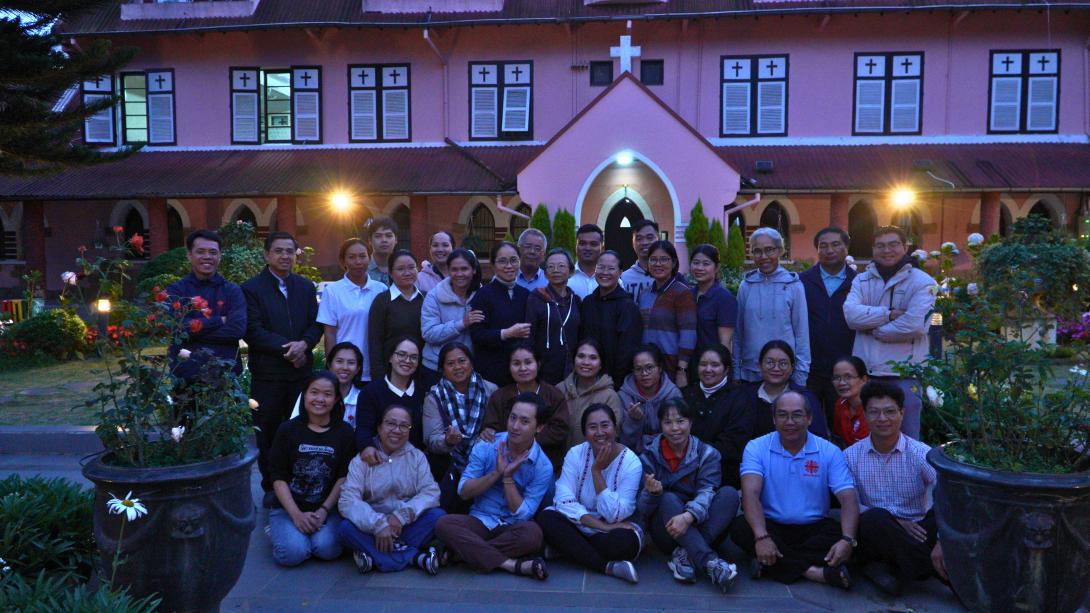
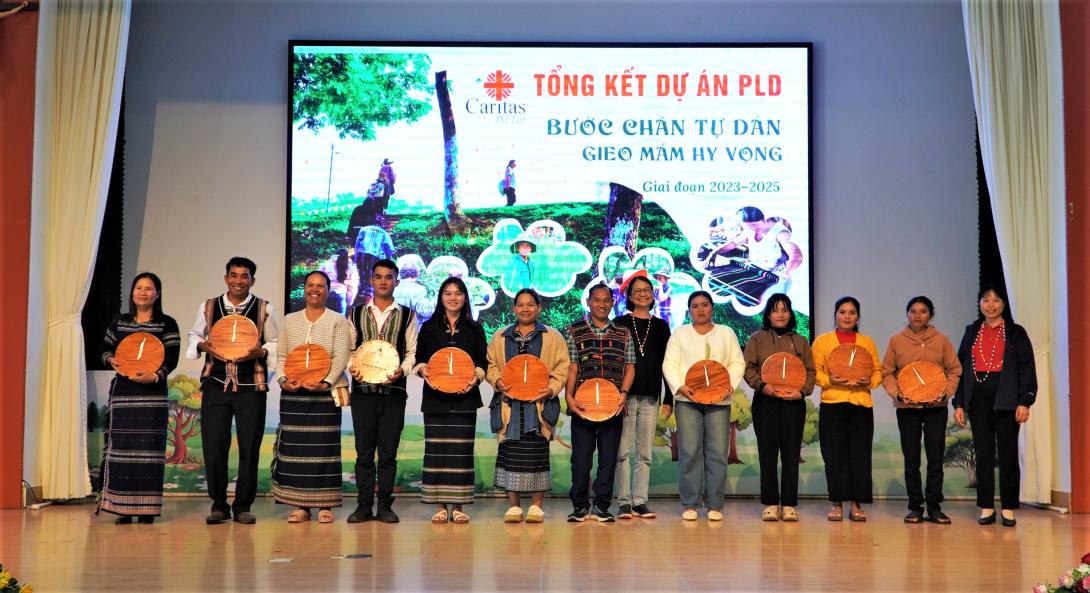
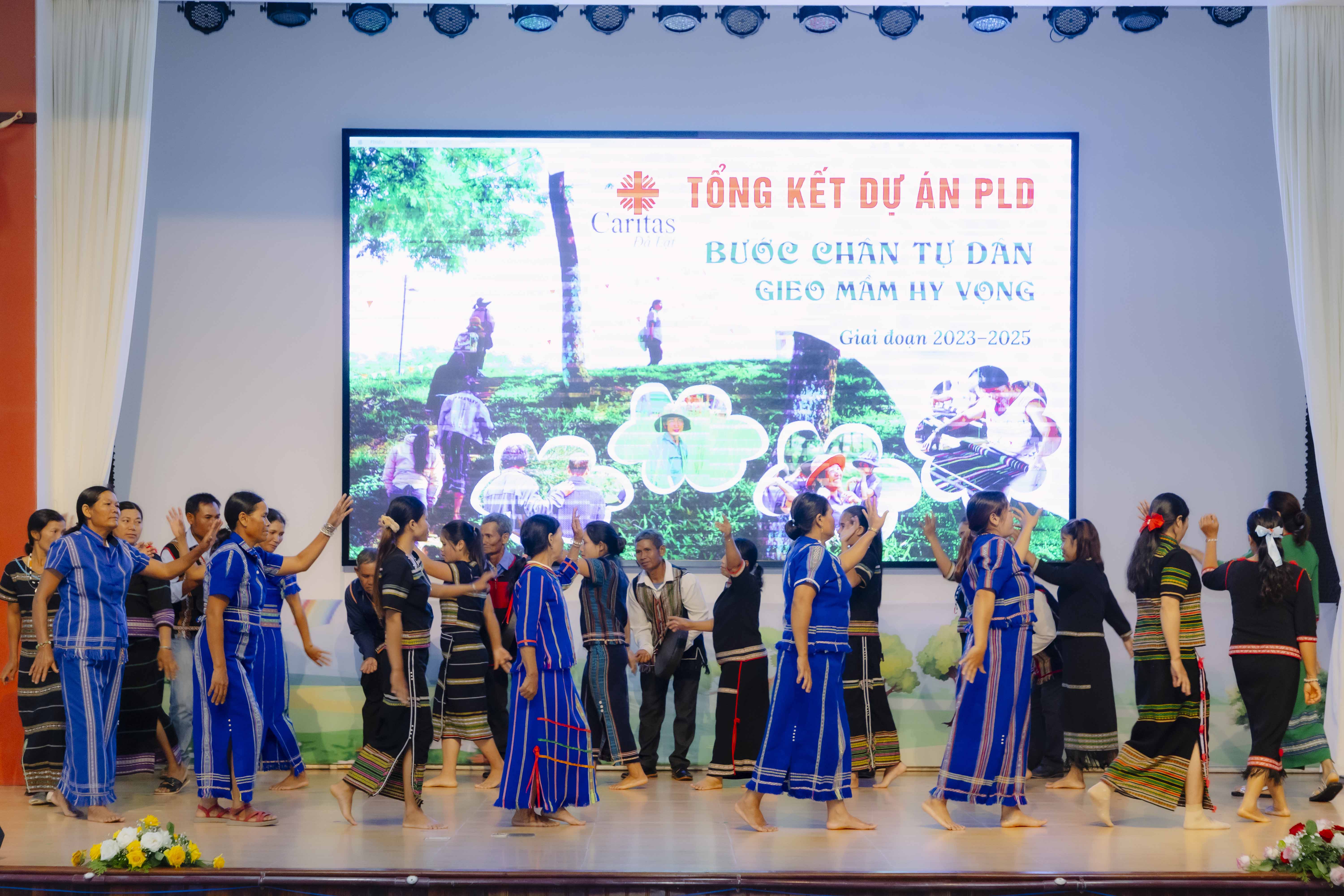
Caritas Da Lat was pleased to welcome more than 200 participants: representatives of 14 ethnic minority communities, Lam Dong Association of People with Disabilities, Fathers, Priests, Diocesan Communications Committee, Caritas Phan Thiet - Long Xuyen, benefactors, NTFP representatives and expert from the Philippines - Ms. Elizabeth Cruzada.
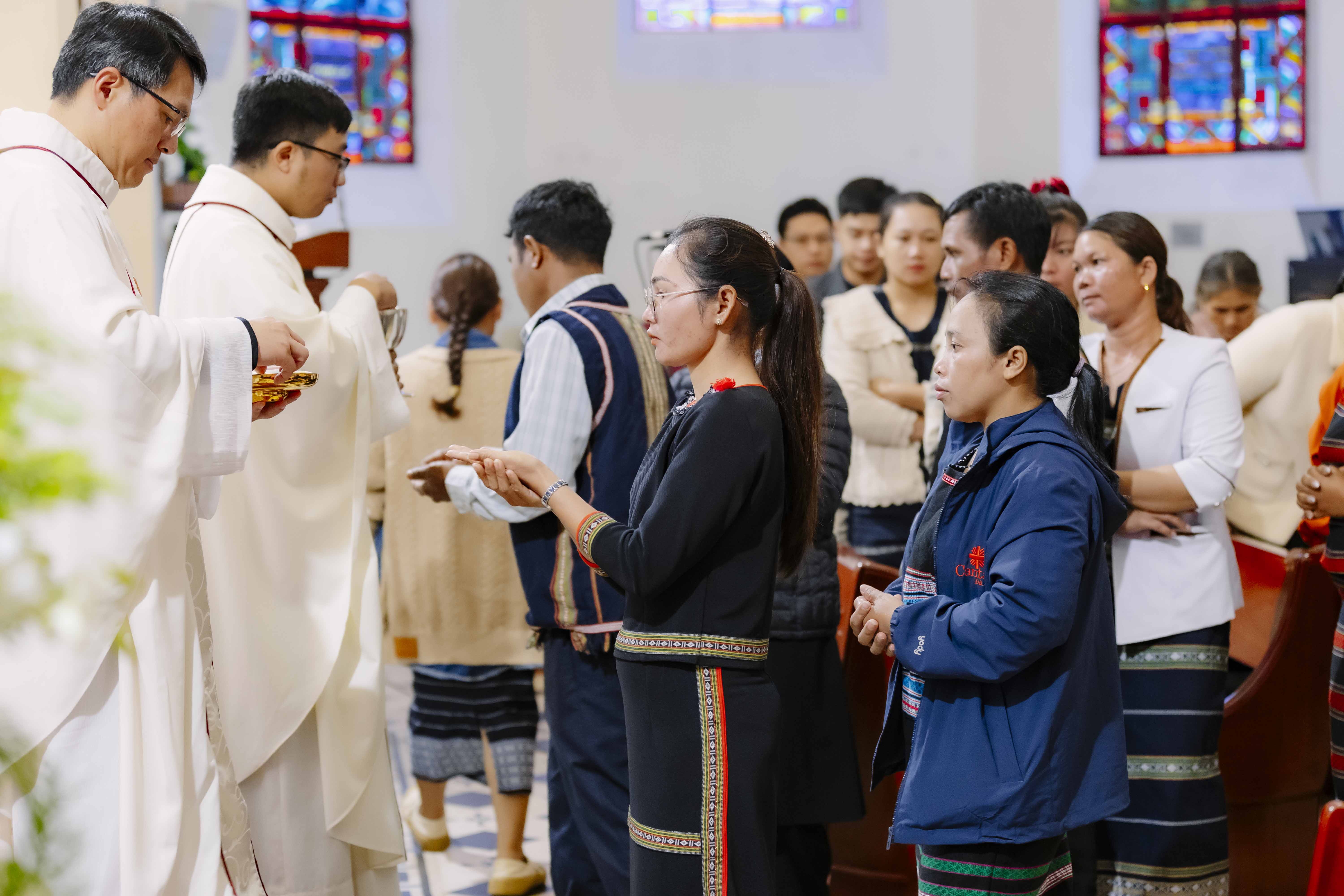
The starting point for that meaningful meeting was the Thanksgiving Mass - an indispensable highlight in every Caritas journey. In an atmosphere of calm and fervor, the community gave thanks to God, prayed for each other and asked for support to continue firmly on the chosen path.
Next is the product display space - where people introduce specific and proud achievements: from brocade and wine to clean vegetables, coffee, wild honey... In particular, the exquisite handmade products of the Association of People with Disabilities also contribute to creating a colorful picture of creativity and energy.
HIGHLIGHTS ACTIVITIES IN THE PLD JOURNEY PERIOD 2023–2025
- Participatory action research activities were conducted with 93 participants from 3 community groups, creating a foundation for initiatives from within.
- Learning Exchange Platforms (LEP) are organized for 5 target groups with a total of 8 forums, expanding the sharing space between cultural groups, community leaders, disabled people's associations, ecological agriculture groups and product development groups.
- The training - exchange - learning activities took place enthusiastically with: 85 courses, 7 leadership training sessions, 10 overseas study trips, 21 community exchanges, 15 model tours, 7 farmer forums.
- In the field of ecological agriculture, 17 households participated in the conversion trial, 862 households were supported to plant nearly 20,000 forestry and fruit trees. 10 households committed to growing rice without using chemicals.
- Traditional culture continues to be preserved and promoted with 12 gong, dance and stilt house groups actively operating, 3 weaving groups initially developing products, and 6 groups restoring traditional yeast and wine making techniques.
- Community product development is a highlight with 18 groups accompanying 6 product groups: non-timber forest products, organic rice and vegetables, ecological agriculture, coffee, textiles, and cultural services. In particular, 3 groups have been granted CFGS organic certification, including 2 groups of Po Nom coffee and 1 group of Bókabang vegetables.
- 20 community sub-projects are implemented in many fields: developing ecological agricultural products, cultural products, intercropping - compost - nurseries, animal husbandry and livelihood support for people with disabilities.
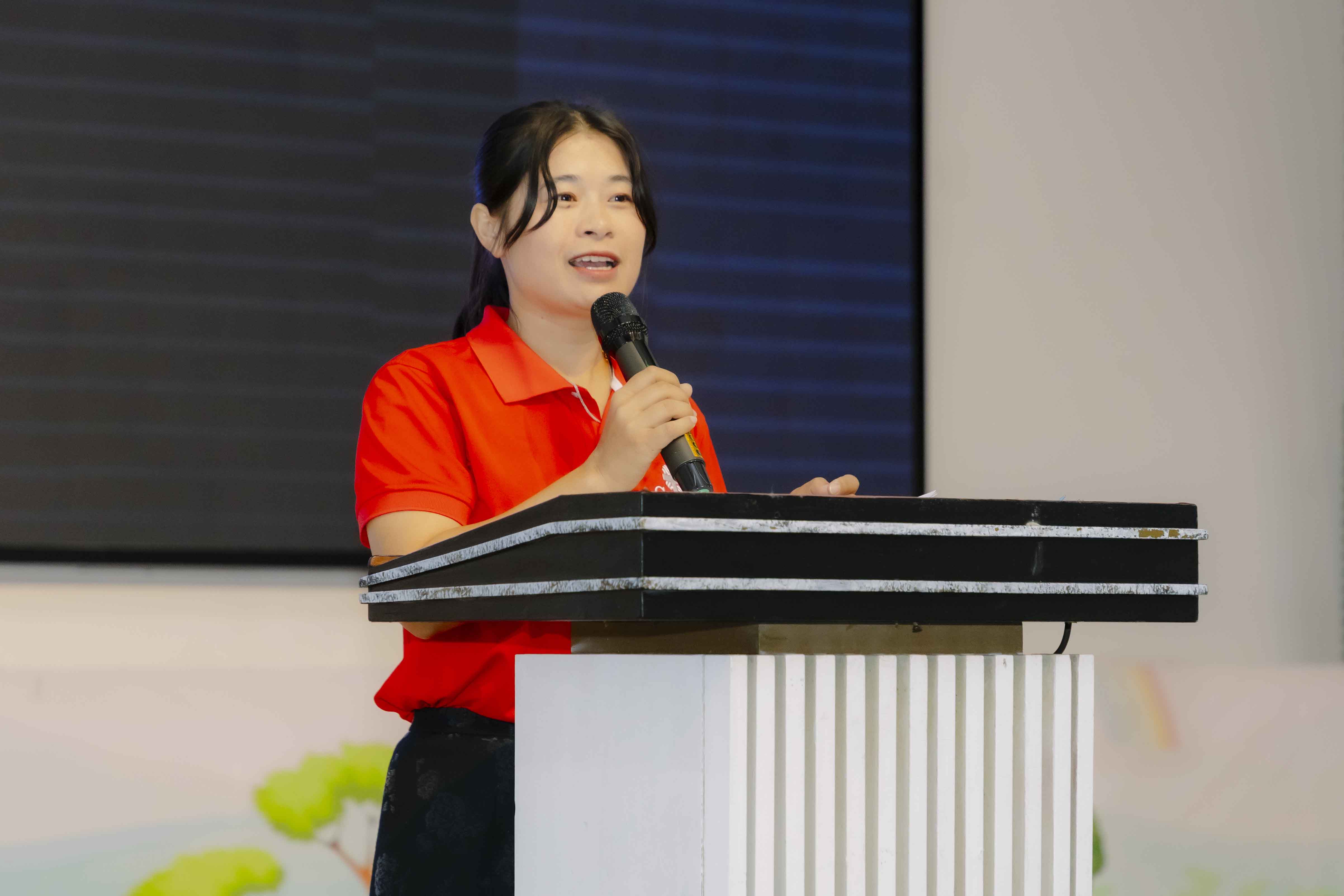
Looking at those numbers, one can clearly feel the collective strength of the community - where each person has their own strengths, and when connected and complemented by each other, those strengths become a solid foundation for sustainable development.
CONFERENCE "FOOTPRINT OF FREEDOM - SOWING THE SEEDS OF HOPE
At the discussion, three special guests representing three typical situations shared their inspirational journeys, representing effort, change and perseverance to overcome difficulties for a future of sustainable development.
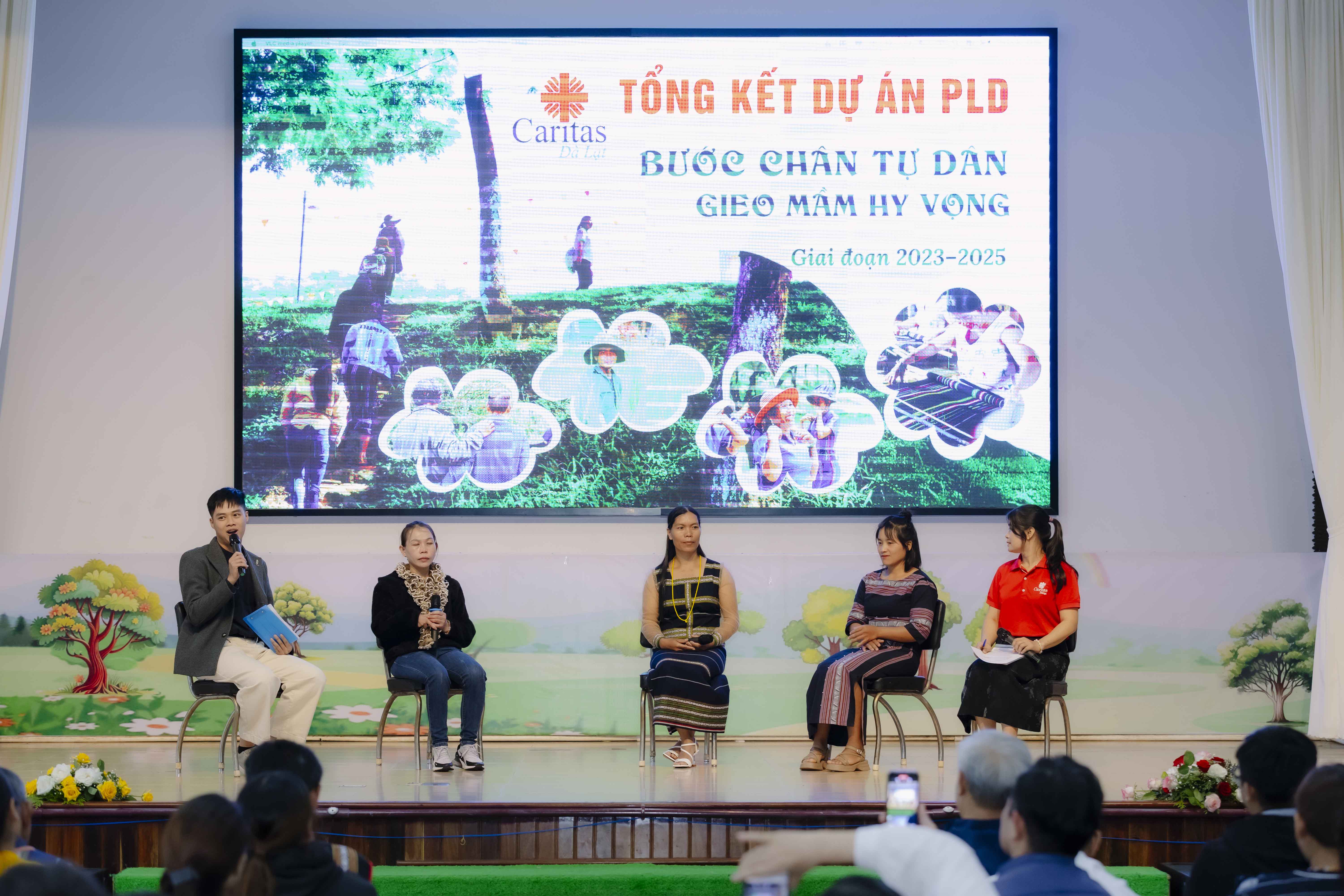
Ms. Nguyen Thi Thanh Sang - representative of the group "Hoa Tay Khuyet" (Da Lat Disabled People's Association) - is a typical image of the living will of people with disabilities. With the motto "making beautiful and quality products for customers to love, not buy out of pity", the group has affirmed its value through delicate, creative handcrafted products. It is not only a livelihood, but also pride and desire to live a useful life.
Ms. Ma Phum - representing a household converting to an ecological agriculture model - shared a truthful and touching story. While most of the people around her are still familiar with chemical fertilizers, she boldly changed. She recounted her joy when she began to see wild animals returning to the garden: monkeys and wild chickens. Even though they sometimes destroyed all the fruit trees, it was a positive sign that the ecological environment was gradually reviving. "Wild animals only return when the garden is no longer toxic," she said.
Ms. K'Dao - a member of the Po Nom Clean Coffee Cooperative Group - shares her journey of determination to completely convert to ecological agricultural farming. During that process, she and her team members constantly strive to improve product quality, because more than anyone else, they understand that clean products are not only a path for sustainable development, but also a responsibility to the community and consumers.
From three different stories but with a common touch point: when you dare to start, even though the challenges seem insurmountable, as long as you "go in the right direction", support and collaboration will gradually appear - from family, community, Parish Priest to accompanying organizations. And above all, faith is what supports them to move forward.
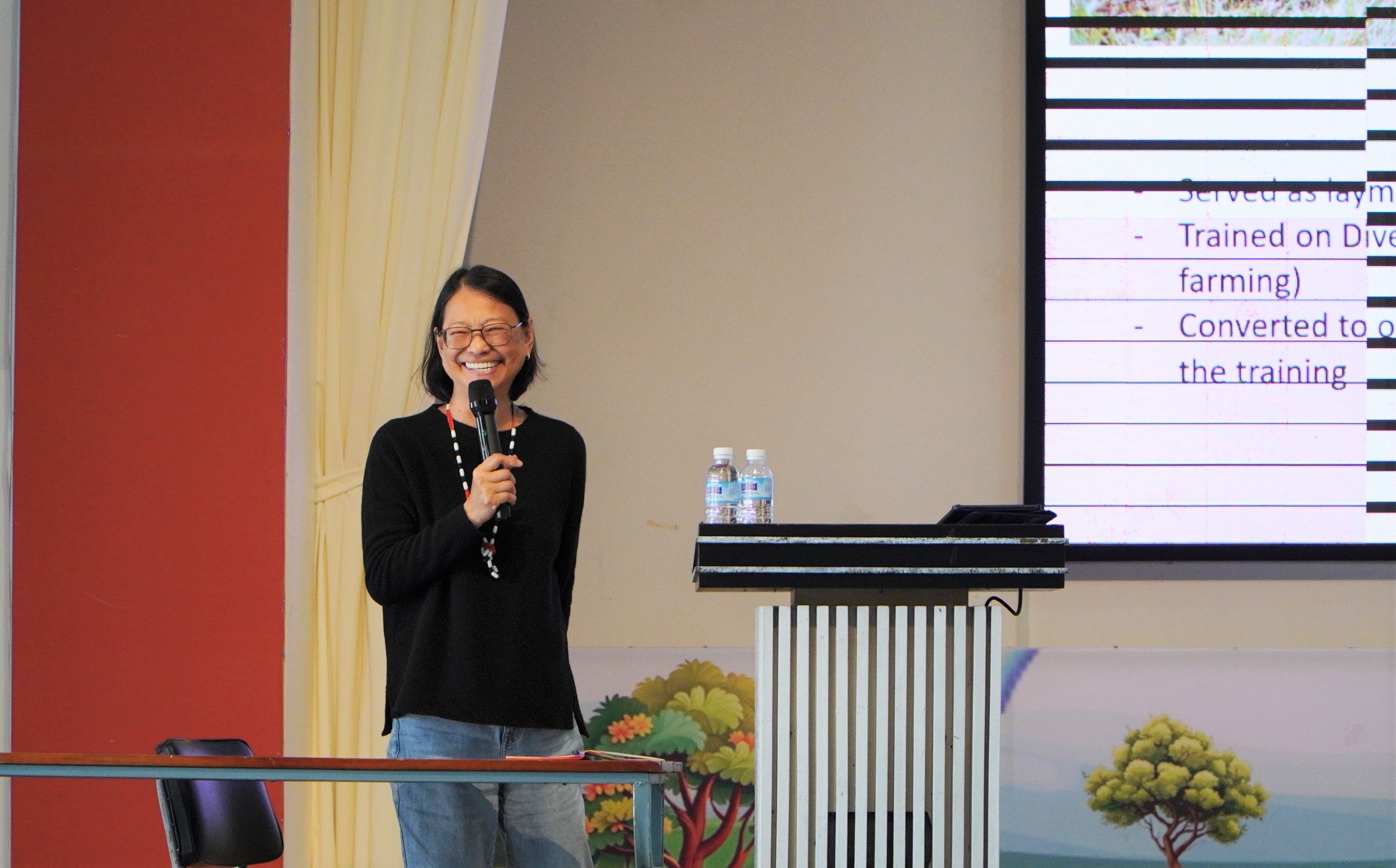
On this occasion, Ms. Elizabeth Cruzada also shared a success story and valuable lessons from a farming family on the island of Mindanao (Philippines), as an encouragement that she wants to give people on the sustainable farming journey ahead.
FUTURE ORIENTATION
The future orientation was enthusiastically shared by Ms. Maria Goretti Dinh Thi Hong Phuc - Deputy Director of Caritas Da Lat: The community will continue to maintain, develop and expand ecological agriculture practices, while preserving and promoting the traditional cultural values of indigenous peoples. From there, we aim to build a united community with a strong commitment to changing thinking and living the spirit of caring for the common home.
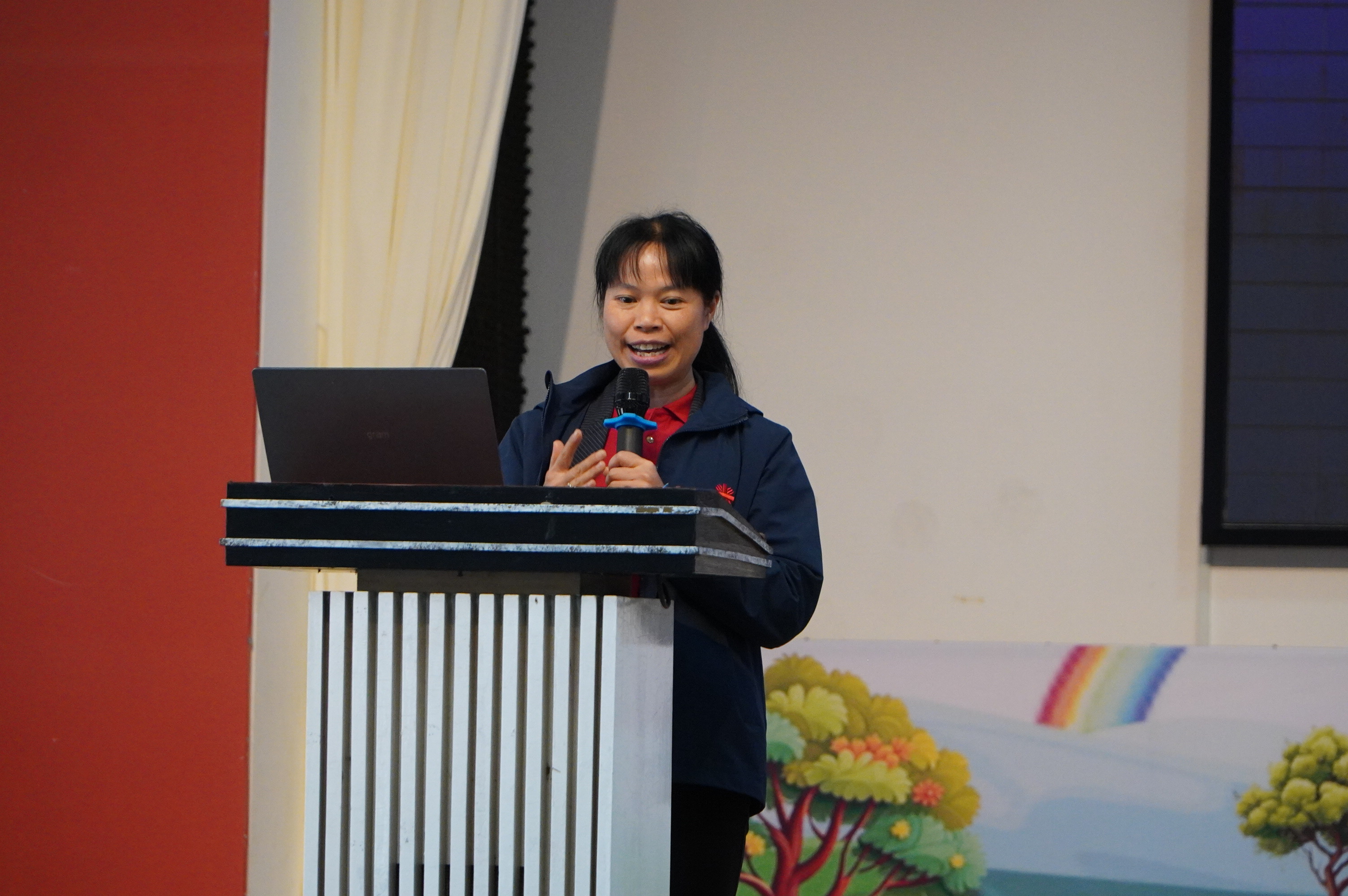
Three specific goals have been identified for the next journey including:
- Developing ecological agriculture,
- Developing sustainable livelihoods,
- Strengthen community organization.
This is the guideline for the journey of "Self-Reliant Development" in the new period - steadfast, oriented and full of hope.
"Following self-reliance - Sowing seeds of hope" is not just a slogan, but the path that the community has been steadfastly following. On that path, every step - no matter how slow or small - carries a seed of hope sown into the ground, into life, into the future.
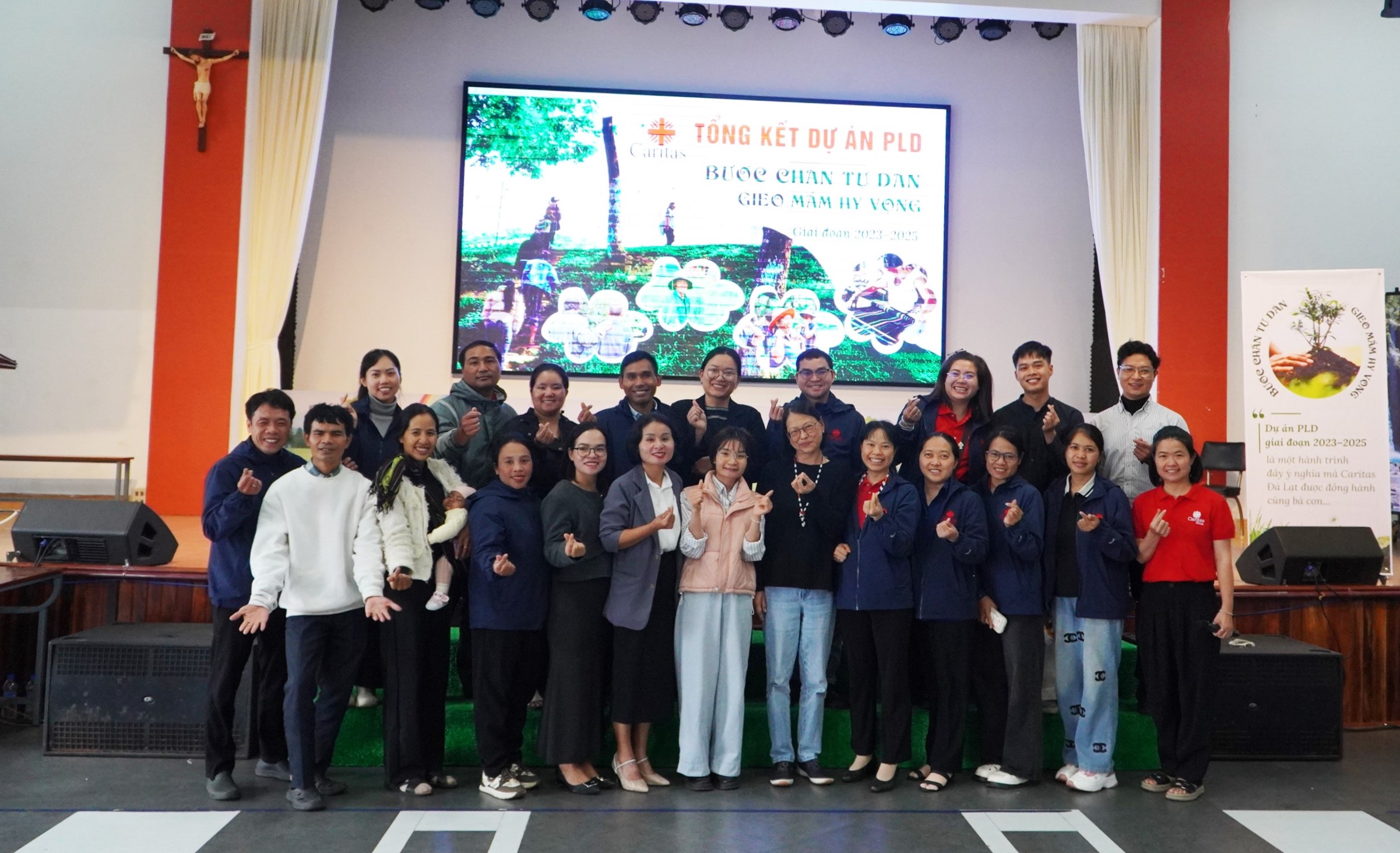
That journey is still going on. From simple gardens, from the calloused hands of farmers, from seemingly the most ordinary things... from there, hope is sprouted, faith is lit, and a new future is gradually taking shape - where people live in harmony with nature, with each other and with themselves.